

Growing a business comes with many challenges. You need expert guidance but may not be ready for full-time executives. This is where fractional teams shine. Fractional leadership teams offer you strategic expertise during key growth phases without the commitment and cost of permanent hires. Fractional services provide flexibility that traditional employment can’t match. You can scale up or down based on current needs and market conditions. When your company faces pivotal transitions, these part-time experts deliver targeted knowledge exactly when you need it.
Today’s forward-thinking companies in FMCG, biotech, and startup sectors are embracing this model. You gain access to strategic oversight for sustainable expansion while maintaining budget control. The right fractional team can transform how you navigate growth stages, providing experienced guidance without overextending your resources.
The role of flexibility in navigating growth

Flexibility allows businesses to respond to changing market demands without overcommitting resources. It provides the strategic advantage needed to scale operations efficiently while maintaining financial stability.
Adapting to market changes
In today’s fast-paced business environment, your ability to adapt quickly can make or break growth initiatives. When market conditions shift, rigid structures often struggle to respond effectively. Flexible business models enable you to pivot strategies without massive restructuring.
Consider these adaptation advantages:
- Reduced financial risk during uncertain periods
- Faster response to emerging opportunities
- Right-sized resources that match current needs
Your growth journey rarely follows a straight line. Seasonal fluctuations, industry disruptions, and unexpected challenges require different capabilities at different times. Fractional leadership provides the flexibility to scale expertise up or down as needed without locking in permanent overhead costs.
Leveraging fractional teams for agility
Fractional teams give you access to executive-level talent on demand. This approach transforms fixed costs into variable expenses that align with your current growth stage and objectives.
Key benefits of fractional teams include:
- Strategic expertise without full-time executive salaries
- Diverse perspectives from professionals with cross-industry experience
- Scalable support that grows with your business needs
Specialized fractional experts can address specific growth challenges such as entering new markets, optimizing sales processes, or implementing technology solutions. You gain the advantage of senior-level guidance precisely when needed. During rapid growth phases, your organization can quickly add capabilities without lengthy hiring processes. This agility allows you to capitalize on opportunities that might otherwise pass while building permanent teams.
Strategic planning for sustainable growth

Effective strategic planning creates a foundation for sustainable business growth by balancing short-term goals with long-term vision. It helps companies allocate resources efficiently and navigate changing market conditions with confidence.
Establishing clear growth objectives
Setting specific, measurable growth objectives is vital for your business’s success. Strategic planning requires looking beyond immediate gains to establish sustainable growth paths. Start by defining your current position. Where does your business stand today? What resources do you have available? Then, set clear targets for where you want to be in 1, 3, and 5 years.
Your objectives should address multiple dimensions:
- Financial goals: Revenue targets, profit margins, cash flow
- Market position: Customer acquisition, market share
- Operational efficiency: Productivity improvements, cost reductions
- Talent development: Skills needed for future growth
Review your objectives quarterly to ensure they remain relevant. This provides an objective perspective on your progress and allows for necessary adjustments.
The significance of strategic leadership
Strategic leadership drives sustainable growth by transforming plans into action. Your leadership approach significantly impacts how effectively your organization can scale and adapt. Fractional leaders provide specialized expertise during critical growth phases. They bring an outside perspective that challenges internal assumptions and identifies blind spots in your strategy.
Effective strategic leaders:
- Make decisions aligned with long-term vision
- Balance risk-taking with careful analysis
- Communicate priorities clearly across the organization
- Adapt quickly to changing market conditions
By incorporating fractional leadership into your team, you gain flexibility to address specific challenges. This approach is particularly valuable when scaling operations or entering new markets. Your leadership team should also establish clear metrics to track progress. These indicators provide early warnings when strategies need adjustment and help maintain accountability throughout your organization.
Optimizing operational efficiencies
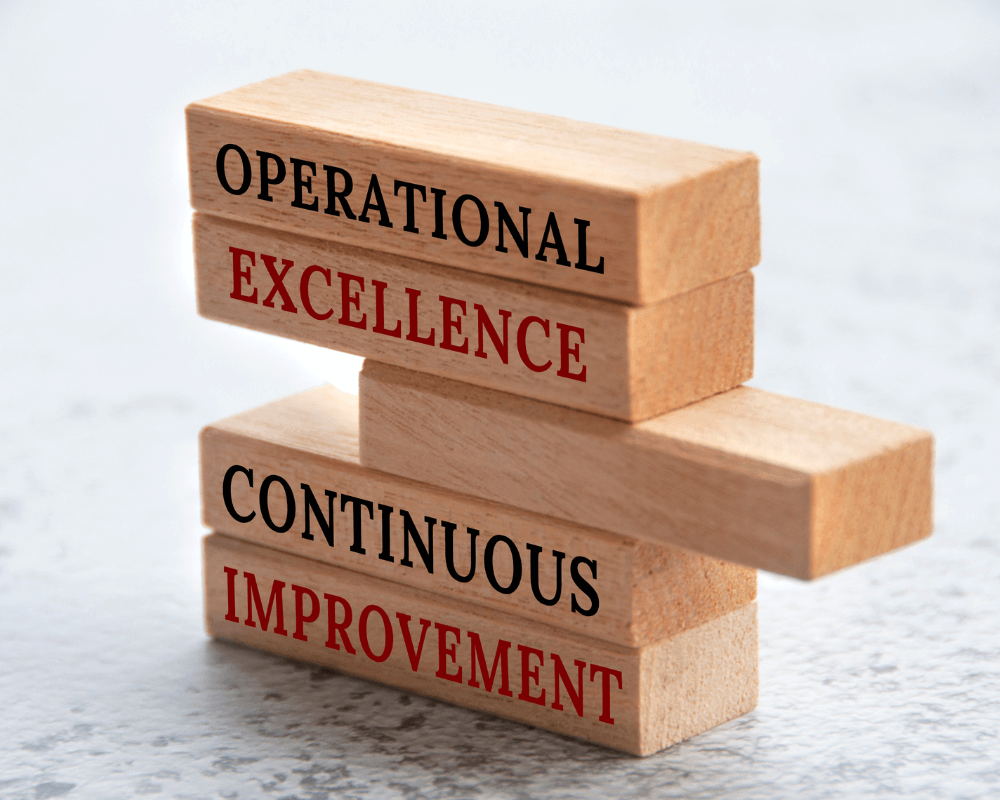
Fractional teams create immediate impact by streamlining operations and driving measurable improvements to your bottom line. They bring targeted expertise exactly when you need it without the overhead of full-time executives.
Cost efficiency through fractional expertise
Hiring a fractional COO can significantly reduce your operational costs while maintaining high-quality leadership. These professionals typically cost 30-50% less than full-time executives, eliminating expenses for benefits, office space, and training. This approach allows you to convert fixed costs to variable ones, scaling services up or down based on your current needs. You pay only for the time and expertise you require. Fractional leaders bring specialized knowledge from diverse industries, providing immediate solutions to complex challenges. They identify inefficiencies quickly, having solved similar problems across multiple organizations.
Key Financial Benefits:
- Elimination of recruitment and onboarding costs
- No long-term salary commitments
- Reduced training expenses
- Immediate ROI from operational improvements
Strategies for productivity and work-life balance
Fractional teams excel at creating systems that boost operational efficiency while promoting sustainable work practices. They implement standardized processes that reduce redundancies and ensure consistent output quality. By establishing clear KPIs and accountability structures, they help your team focus on high-impact activities. This targeted approach eliminates time wasters and aligns daily work with strategic objectives. Technology optimization is another key strength. Fractional COOs identify and implement tools that automate routine tasks, allowing your team to concentrate on creative and strategic work.
Practical Implementation Steps:
- Conduct workflow audits to identify bottlenecks
- Create standardized operating procedures (SOPs)
- Implement appropriate technology solutions
- Establish performance metrics that balance productivity with team wellbeing
These strategies create a work environment where your team can achieve more without burnout, fostering stronger collaboration and sustainable growth.
Leveraging strategic partnerships and acquisitions

Growing businesses often accelerate expansion through external relationships and acquisitions. These strategic moves require careful evaluation and specialized expertise that fractional executives can provide during critical growth phases.
Navigating mergers and acquisitions
Mergers and acquisitions present powerful growth opportunities but come with significant challenges. Fractional executives can guide you through complex M&A processes without the long-term cost commitment of full-time specialists.
When approaching a merger, you need to:
- Define clear acquisition criteria aligned with your growth strategy
- Assemble a dedicated integration team with clearly assigned responsibilities
- Develop a detailed post-merger integration plan before closing the deal
- Plan for cultural integration, not just operational systems
Timing is critical in acquisitions. You must maintain business continuity while implementing necessary changes. Fractional leadership can bridge talent gaps during transitions, providing specialized expertise only when needed.
Effective collaboration with strategic partners
Strategic partnerships extend your company’s capabilities without the financial commitment of acquisitions. Your approach to partnership building should be systematic and purposeful. Begin by identifying partners that complement your weaknesses or enhance your strengths. The most successful partnerships create mutual value through:
Partnership Value Matrix
| Your Contribution | Partner Contribution | Mutual Benefit |
|---|---|---|
| Market access | Technical expertise | Innovation |
| Brand reputation | Distribution network | Market reach |
| Customer base | Production capacity | Scalability |
Fractional business development experts can help structure partnership agreements that protect your interests while fostering collaboration. They bring objective perspectives and specialized negotiation skills that internal teams might lack.
Due diligence and valuation for informed decisions
Thorough due diligence prevents costly mistakes in partnerships and acquisitions. You should examine both financial performance and operational realities before finalizing agreements.
Key due diligence areas include:
- Financial validation – Verify reported numbers and assess sustainability
- Legal compliance – Uncover potential liabilities or regulatory issues
- Operational assessment – Evaluate processes, technology, and efficiency
- Cultural alignment – Determine compatibility with your organization
Accurate valuation requires both art and science. Fractional CXOs bring specialized methodologies for determining fair market value based on industry standards, growth prospects, and synergy potential. Remember that due diligence findings often influence final valuations and deal structures. Your negotiation leverage comes from understanding the target’s true value and risks.
Marketing strategies for business development

Effective marketing drives business growth by connecting your products or services with the right customers. Strategic marketing approaches enhance visibility and create opportunities for business development teams to convert interest into revenue.
Crafting impactful branding and customer engagement
Strong branding creates a memorable impression that distinguishes your business from competitors. Your brand identity should clearly communicate your value proposition and resonate with target audiences. Brand consistency across all touch points helps build trust and recognition. Use a cohesive visual style, messaging tone, and customer experience to reinforce your brand promise.
Customer engagement flourishes when you create compelling promotional content that addresses specific pain points. Develop personalized communication strategies that speak directly to customer needs. Interactive content like quizzes, polls, and webinars can boost engagement rates. These tools not only capture attention but provide valuable insights into customer preferences.
Engagement tactics that work:
- Targeted email campaigns with personalized recommendations
- Social media interactions that foster two-way conversations
- Loyalty programs that reward customer advocacy
- Community-building events that strengthen relationships
Digital transformation and marketing strategy
Your digital transformation efforts should align with broader business growth objectives. Implement technologies that enhance customer experiences while providing measurable marketing insights. Data analytics capabilities allow you to track campaign performance and customer behavior patterns. Use these insights to refine your marketing strategy and improve conversion rates.
Fractional marketing leadership provides flexible access to specialized digital expertise without full-time costs. This approach helps you adapt quickly to emerging technologies and market shifts.
Consider how each digital channel supports your customer journey:
| Channel | Primary Purpose | Key Metrics |
|---|---|---|
| Website | Information & conversion | Bounce rate, conversion rate |
| Social media | Awareness & engagement | Engagement rate, reach |
| Nurturing & retention | Open rate, click-through rate | |
| Content marketing | Education & authority | Time on page, shares |
Product launches require coordinated digital campaigns across multiple platforms. Ensure your messaging highlights unique benefits while maintaining brand consistency.
Navigate growth confidently with Quickly Hire and fractional teams
Growing your business requires expertise, but full-time executives can be costly. Quickly Hire connects you with fractional leadership teams for key growth phases. Get strategic insight without long-term commitments or heavy overhead. Scale your support up or down based on your evolving business needs. Industries like FMCG, biotech, and startups are thriving with this flexible model.
Hire your fractional growth team today with Quickly Hire and lead with confidence.