
In today’s digital landscape, safeguarding personal information is more critical than ever. As a web developer, your role in protecting data privacy is essential. Ensuring compliance with data protection regulations not only builds trust with your users but also protects their sensitive information from potential breaches.
Freelancers, with their specialized skills and flexible schedules, can be a valuable addition to your web development team. They bring fresh perspectives and innovative solutions to enhance data security measures. By collaborating with experienced freelancers, you can implement robust practices that keep data privacy at the forefront.
This approach helps you stay ahead of evolving threats and demonstrates a commitment to user security. In a world where data breaches can have severe consequences, investing in strong data privacy practices is not just a choice—it’s a necessity.
Understanding data privacy in web development

Data privacy and protection are crucial in web development. Developers must comply with regulations like GDPR and CCPA and require efficient data management and protection roles.
Defining data privacy and protection
Data privacy involves safeguarding personal and sensitive information shared by users. As a developer, you must ensure that the information remains confidential and secure. Data protection refers to implementing measures that shield data from unauthorized access or breaches.
Key aspects include encryption, secure passwords, and access controls. Consider adopting best practices such as regular audits, secure coding, and robust authentication mechanisms. This approach helps build trust and enhances user confidence.
The legal landscape: GDPR, CCPA, and beyond
The GDPR and CCPA are pivotal regulations in data protection.
The General Data Protection Regulation (GDPR) applies to organizations within the EU or dealing with EU citizens’ data. It demands transparency and user consent in data collection and processing.
The California Consumer Privacy Act (CCPA) is focused on protecting California residents’ data, giving them control over their personal information.
Compliance with these laws requires understanding data subject rights and adjusting privacy policies accordingly. Constant vigilance on regulatory updates is necessary to ensure adherence and avoid penalties.
Duties of a Data Protection officer
A Data Protection Officer (DPO) plays a critical role in maintaining data privacy standards. The DPO ensures that your organization complies with data protection laws and regulations.
Monitoring compliance, conducting impact assessments, and training staff are key responsibilities. You should appoint a DPO if you handle large-scale data processing. The DPO serves as a point of contact for data subjects and regulatory authorities. Their role is not just advisory but involves active management of data protection strategies to safeguard privacy.
The role of freelancers in safeguarding data

Freelancers are vital in ensuring that data privacy is maintained in web development. Their role often involves implementing stringent security protocols and balancing these with the smooth functioning of user interfaces.
Implementing best practices in data aecurity
Freelancers can implement best practices to protect both user data and personal data. Encryption is essential for safeguarding data during transmission. To enhance security further, consider employing strong passwords and two-factor authentication (2FA).
Using secure frameworks and libraries also plays a major role in data security. These tools have built-in mechanisms to manage data more safely. Conducting regular security audits and vulnerability assessments is also necessary. Freelancers should stay informed about new threats and best practices by participating in security training.
Balancing user experience with data privacy Rights
Balancing user experience with data privacy rights is crucial. You must create interfaces that respect privacy while ensuring ease of use. Clear and transparent consent mechanisms are crucial where users understand how their data is being used. Design with user privacy in mind by minimizing data collection. Only ask for personal information that is absolutely necessary for your service.
Finally, maintaining privacy rights doesn’t mean compromising user experience. Use privacy-enhancing technologies that integrate seamlessly into user interfaces. This enhances trust and reliability without sacrificing the ease of use.
Prevention strategies against data breaches
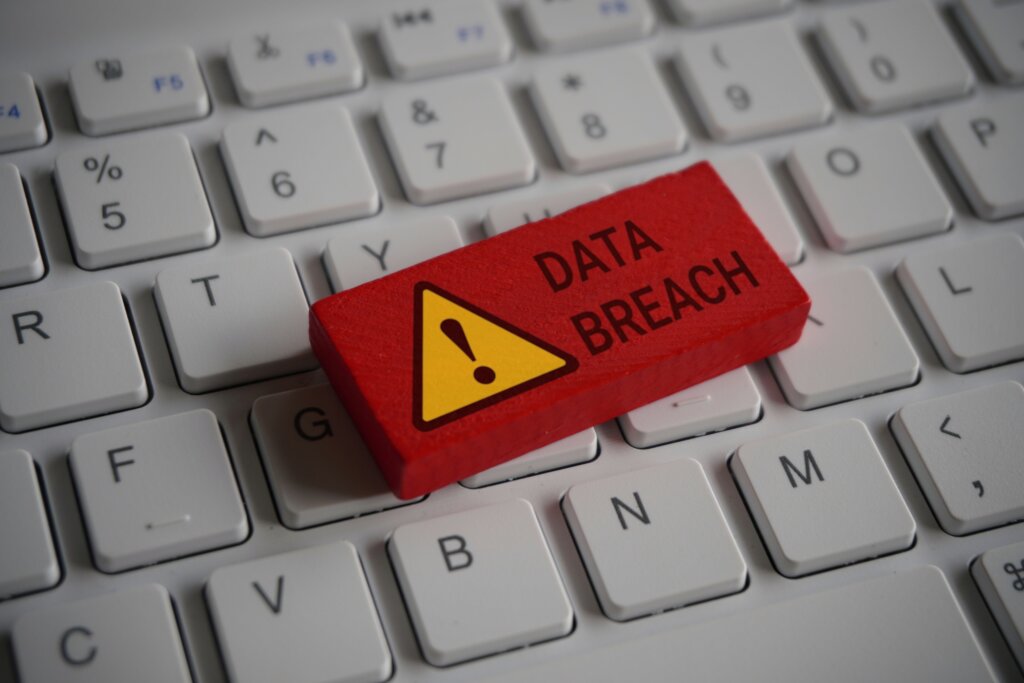
Identifying preventive measures is essential in safeguarding your web applications from data breaches. Key strategies involve enhanced encryption protocols, strict access control measures, and robust authentication methods.
Encryption, access control, and two-factor authentication
Implementing encryption is crucial for protecting data both in transit and at rest. Use strong algorithms to encrypt sensitive data, ensuring unauthorized access becomes significantly difficult. Encryption should be an integral part of your system design to protect communication between servers and client applications.
Deploy stringent access control practices. Role-based access controls (RBAC) ensure that users only have access to the data necessary for their role. Limit administrative privileges and employ automatic log-out mechanisms to prevent unauthorized access.
Two-factor authentication (2FA) enhances login security, requiring users to provide two forms of identification. It adds an extra layer to the login process, significantly reducing the risk of breaches. Utilize options like SMS codes, authentication apps, or biometric scans to bolster security.
Securing sensitive information: from financial records to health information
Safeguarding sensitive information such as financial records and health information requires comprehensive strategies. Encrypt sensitive data using secure encryption standards. Keep encryption keys safe and separated from the encrypted data to prevent access in case of a breach. Adopt strict data handling protocols. Regularly audit and classify information to identify sensitive data requiring extra protection.
Implement minimum necessary access policies to ensure only essential personnel can view or manipulate sensitive data. Use cybersecurity measures to monitor data access and detect any unusual activities. Regular audits, intrusion detection systems, and real-time monitoring help identify and neutralize potential threats promptly, protecting your data assets from malicious intent.
Transparency and compliance in data collection and processing

To effectively address transparency and compliance, focus on clear communication with consumers and adhere to best practices such as data minimization and portability. This ensures that consumer data is handled responsibly and legally.
Prioritizing cransparency with Consumers
Open communication with consumers is essential in data collection and processing. Clearly outlining what data you collect, how it will be used, and who will have access to it builds trust. Implementing privacy policies that are easy to understand is key.
Use straightforward language and avoid technical jargon. This approach respects consumer privacy rights and helps them make informed decisions. Including mechanisms for feedback and inquiries further improves transparency. Regularly updating privacy policies and notifying users of changes is another vital practice. It reassures consumers that you have their best interests in mind and are compliant with legal requirements.
Understanding and implementing mata Minimization and portability
Data minimization is a critical component of compliance, limiting data collection to only what is necessary. By identifying essential data processing activities, you reduce the risk of mishandling sensitive data and ensure consumer trust. Data portability enables consumers to easily move their data between platforms, fostering consumer empowerment. Implementing features that allow users to download their data in standard formats demonstrates commitment to consumer rights.
Small businesses and freelancers should recognize the importance of these practices. They not only aid in compliance with regulations but also enhance your reputation in the industry. Staying informed about regulatory changes can help maintain both compliance and consumer confidence.
Building consumer trust through responsible data practices

Establishing consumer trust hinges on responsible data practices. Transparency in privacy policies and a careful approach to using behavioral data for personalized experiences are key elements that can protect personal information and build loyalty.
The importance of a robust privacy policy
A strong privacy policy is essential in fostering consumer trust. By clearly outlining how you collect, store, and use personal information, you can reassure users. Transparency is not just a legal requirement but a trust-building tool.
Key inclusions in your privacy policy should be:
- The type of data you collect
- How data is stored and protected
- User consent mechanisms
- Procedures for data breaches
These elements fortify your commitment to protecting user data and complying with regulations like the California Privacy Rights Act. Highlighting safeguards against fraud and identity theft further strengthens confidence.
Personalized experiences and behavioral data: A delicate balance
Personalized experiences rely on behavioral data to enhance user engagement. However, this can drive personalized content and recommendations. It is crucial to balance personalization with privacy concerns. Clear articulation of why and how this data is used can alleviate concerns.
Implementing user preference settings allows consumers to choose the level of personalization they are comfortable with. Providing options to opt-out or limit data sharing respects consumer rights and preferences. This thoughtful approach to using behavioral data promotes trust without compromising personal privacy.
Prioritize data privacy in web development with freelancers from Quickly Hire
In today’s digital landscape, protecting personal information is more important than ever. As a web developer, your responsibility in ensuring data privacy and meeting regulations is crucial—not only for user trust but also for safeguarding against security breaches.
Bringing in a skilled fractional web developer from Quickly Hire can strengthen your efforts. These professionals offer flexible support and fresh insights to help you implement advanced privacy and security practices. By collaborating with vetted talent, you can keep your development projects compliant, secure, and ahead of industry standards.