
Your startup’s rapid growth can quickly expose critical weaknesses in leadership that threaten your company’s trajectory. Many founders discover too late that the skills and roles that got them to this point aren’t sufficient for the next phase of scaling. The fastest way to fill leadership gaps is through a combination of developing existing talent, hiring fractional executives, and making strategic full-time hires based on your most pressing operational needs.
Identifying and closing leadership gaps early keeps your startup agile and positions you for sustainable growth rather than reactive scrambling. The difference between startups that scale successfully and those that plateau often comes down to how quickly they recognize and address leadership deficiencies. You’ll learn proven strategies for spotting these gaps before they become critical. You’ll also discover practical approaches for filling them efficiently, and methods for building leadership capabilities that grow with your company.
Key takeaways
- Leadership gaps emerge rapidly during startup growth and require immediate identification through skills assessments and performance analysis.
- Fill critical roles quickly using fractional executives, internal development programs, and strategic hiring based on operational priorities.
- Build sustainable leadership by creating development cultures, embracing adaptability, and forming strong leadership teams for long-term success.
Understanding leadership gaps In startups

Leadership gaps represent missing competencies or vacant positions that create performance barriers in growing organizations. Startup environments face unique challenges that amplify these gaps, directly affecting team productivity and business outcomes.
What are leadership gaps?
Leadership gaps occur when organizations lack necessary leadership capabilities or have unfilled management positions. These gaps manifest as skill deficiencies in existing leaders or complete absence of leadership roles.
Skill-based gaps happen when your current leaders lack competencies required for their responsibilities. This includes strategic planning, team management, or technical expertise specific to your industry.
Position-based gaps emerge when critical leadership roles remain vacant. Your startup might lack a CTO, marketing director, or operations manager needed for current growth stage.
Experience gaps develop when leaders haven’t navigated challenges your startup faces. First-time founders often lack scaling experience or crisis management skills. The distinction matters because each type requires different solutions. Skill gaps need training or coaching, while position gaps require hiring or promoting team members.
Common Causes In Startup Environments
Rapid growth creates most leadership challenges in startups. Your company expands faster than leadership development, leaving gaps between organizational needs and available talent.
Budget constraints limit hiring experienced leaders. Early-stage startups often promote internal team members without proper leadership training or experience.
Unclear role definitions contribute to leadership confusion. Your startup might lack formal organizational structure, creating overlapping responsibilities and accountability issues.
Founder bottlenecks occur when you handle too many leadership functions personally. This prevents delegation and creates single points of failure as the company grows.
Market changes can make existing leadership skills obsolete. Your industry expertise might not translate to new market segments or business models.
Scaling challenges emerge when leadership approaches that worked for small teams fail with larger organizations. Management styles need adjustment as team dynamics change.
Impact of leadership gaps on organizational performance
Leadership gaps significantly affect organizational performance through multiple channels that compound over time. The most immediate impacts appear in decision-making speed and quality.
Decision delays occur when unclear authority structures prevent quick responses to market opportunities. Your team waits for direction while competitors move ahead.
Employee morale suffers when team members lack clear leadership guidance. Without proper management, productivity decreases and turnover rates increase significantly.
| Performance area | Impact without leadership | Timeline |
|---|---|---|
| Decision Speed | 40-60% slower responses | Immediate |
| Employee Retention | 25-35% higher turnover | 3-6 months |
| Revenue Growth | 15-30% reduced growth | 6-12 months |
Strategic execution becomes inconsistent when leadership gaps prevent proper planning and oversight. Your startup might have good ideas but struggle with implementation.
Team coordination breaks down without clear management structures. Projects overlap, resources get wasted, and deadlines get missed regularly.
Customer relationships deteriorate when service leadership gaps create inconsistent experiences. Client satisfaction scores typically drop 20-40% during leadership transitions.
Identifying critical leadership needs quickly

Rapid identification of leadership gaps requires systematic evaluation of current capabilities against business demands. Most startups experience leadership challenges during scaling phases when existing skills no longer match evolving requirements.
Symptoms of leadership gaps
Decision-making bottlenecks represent the most visible sign of leadership gaps. When your leadership team struggles to make timely decisions or consistently reverses previous choices, you face a clear capability mismatch. Revenue stagnation despite market opportunities indicates strategic leadership deficiencies. Your team may lack the vision or execution skills needed to capitalize on growth potential.
High employee turnover in specific departments signals management problems. When talented staff leave citing poor leadership or lack of direction, you have identified a critical gap. Missed deadlines and project failures cluster around certain leaders. These patterns reveal leadership effectiveness gaps that impact your bottom line directly. Communication breakdowns between departments often stem from inadequate leadership coordination. Your leadership team should facilitate cross-functional collaboration, not hinder it.
Gap analysis and assessment tools
Leadership skills assessments provide quantifiable data about current capabilities. Use leadership skills assessment tools to evaluate technical expertise, emotional intelligence, and strategic thinking abilities across your team. 360-degree feedback surveys reveal gaps between self-perception and team perception. Collect constructive feedback from direct reports, peers, and superiors to identify blind spots.
Competency mapping compares current skills against required capabilities. Create matrices showing technical skills, leadership experience, and industry knowledge for each role. Performance metrics analysis reveals leadership impact on business outcomes. Track team productivity, employee engagement scores, and departmental goal achievement rates.
Succession planning exercises expose vulnerabilities in your leadership pipeline. Map potential replacements for key roles to identify critical gaps before they become urgent needs.
Aligning leadership needs with startup growth
Growth stage requirements shift rapidly in startups. Early-stage leaders excel at hands-on execution while later stages demand strategic oversight and team development skills. Map your business roadmap against required leadership capabilities. Leadership needs change at different stages as operations become more complex and teams expand.
Role specialization becomes necessary as you scale. Generalist leaders must evolve into specialists or make room for experts in finance, operations, marketing, and technology. Market expansion requires leaders with relevant experience. International growth demands cultural competency while new product launches need domain expertise.
Leadership team composition should reflect your strategic priorities. Balance visionaries with operators, technical experts with business strategists, and experienced veterans with fresh perspectives.
Effective strategies for filling leadership gaps fast
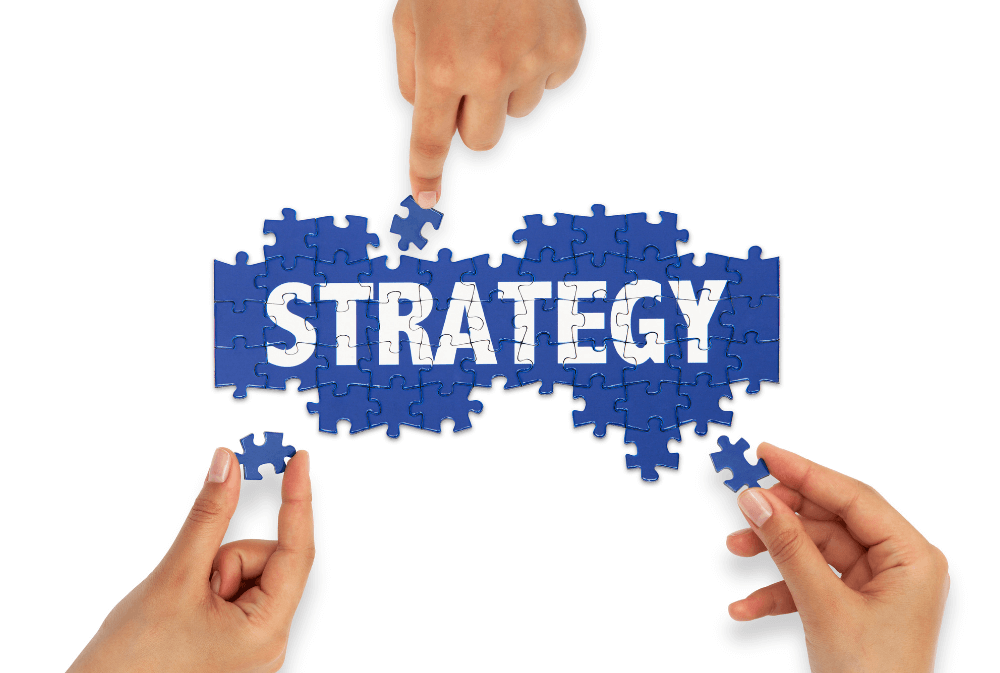
Startups need agile approaches that balance speed with quality when addressing leadership vacancies. The most effective methods include developing internal talent through structured succession programs, executing targeted external recruitment with streamlined onboarding, and utilizing flexible leadership models like interim executives.
Internal promotions and succession planning
Identify high-potential employees within your existing team who demonstrate leadership capabilities. Create a talent pipeline by mapping current employees against future leadership requirements.
Develop structured succession planning frameworks that outline clear advancement paths. Document specific competencies required for each leadership role and assess internal candidates against these criteria.
Implement accelerated leadership development programs focused on essential skills. Provide intensive training in areas like strategic thinking, team management, and decision-making within compressed timeframes.
Mentorship programs pair emerging leaders with experienced executives or external advisors. This approach transfers knowledge quickly while building confidence in new leadership responsibilities. Cross-train promising employees in multiple departments to increase their organizational understanding. This broader perspective makes internal promotions more effective and reduces the learning curve.
Targeted recruitment and rapid-onboarding
Focus recruitment efforts on candidates with startup experience who understand fast-paced environments. Target professionals from companies at similar growth stages or industries with comparable challenges.
Streamline your interview process to 2-3 focused rounds maximum. Use structured behavioral interviews and practical case studies relevant to your specific leadership challenges.
Develop rapid onboarding protocols that compress typical 90-day processes into 30 days. Create detailed orientation materials, introduce key stakeholders immediately, and assign dedicated onboarding buddies.
Remote coaching enables faster integration by providing continuous support during the first weeks. Virtual coaching sessions address immediate questions and accelerate cultural adaptation. Negotiate flexible start arrangements that allow new leaders to begin contributing before their official start date through strategic planning sessions or stakeholder meetings.
Leveraging interim and fractional leadership
Fractional executives provide immediate expertise while you search for permanent solutions. These part-time leaders bring senior-level experience without full-time salary commitments. Fractional talent drives cost-effective growth for startups needing specialized skills temporarily. This approach works particularly well for roles like CMO, CTO, or CFO during specific project phases.
Interim leadership maintains operational continuity during transitions. Interim executives can step in within days rather than weeks, preventing leadership vacuums that slow growth. Consultant-to-employee arrangements let you evaluate leadership fit before making permanent commitments. Start with project-based engagements that can evolve into full-time positions.
Board advisors and industry veterans can provide temporary operational oversight while building your permanent leadership team. Their networks often help identify long-term candidates.
Building a culture for sustainable leadership development
Creating a sustainable leadership culture requires embedding continuous learning practices, implementing structured coaching programs, and establishing psychological safety where team members can develop without fear of failure.
Continuous learning and professional development
You need to establish a culture of continuous learning that makes skill development a daily priority rather than an annual event. Set aside specific time blocks each week for learning activities and track progress through measurable goals. Create individual development plans that align personal growth with company objectives. Include both technical skills and leadership competencies in these plans.
Key learning formats to implement:
- Weekly lunch-and-learn sessions led by team members
- Monthly external speaker presentations
- Quarterly cross-departmental shadowing programs
- Annual conference attendance with knowledge sharing requirements
A growth mindset becomes essential when you encourage experimentation and view failures as learning opportunities. Document lessons learned from both successful and unsuccessful projects. You should allocate 5-10% of work time specifically for professional development activities. Track learning metrics such as courses completed, skills acquired, and internal promotions achieved. This data helps you identify which development approaches deliver the best results for your startup’s specific needs.
Coaching and mentoring initiatives
Coaching relationships accelerate leadership development by providing personalized guidance and accountability. Pair high-potential employees with experienced leaders both within and outside your organization. Structure your mentoring program with clear expectations and regular check-ins. Monthly one-hour sessions work well for most mentor-mentee relationships.
Effective coaching framework:
| Component | Frequency | Duration |
|---|---|---|
| Goal setting | Quarterly | 2 hours |
| Progress reviews | Monthly | 1 hour |
| Skill practice | Weekly | 30 minutes |
| Feedback sessions | Bi-weekly | 45 minutes |
You can leverage external executive coaches for senior leadership development while building internal coaching capabilities. Train your current leaders in basic coaching techniques to multiply your development capacity. Create peer coaching circles where employees at similar levels support each other’s growth. These groups meet monthly to discuss challenges, share solutions, and practice new skills.
Mentoring relationships should focus on career navigation, industry knowledge transfer, and strategic thinking development. Match mentors and mentees based on complementary strengths and development goals.
Fostering psychological safety and trust
Psychological safety enables team members to take leadership risks without fear of punishment or embarrassment. You create this environment by responding constructively to mistakes and encouraging open dialogue about challenges.
Building trust starts with leadership transparency about company direction, decision-making processes, and individual performance expectations. Share both positive developments and concerns with your team regularly. Implement regular feedback cycles that focus on growth rather than criticism. Use specific examples and actionable suggestions when discussing performance improvements.
Trust-building behaviors to model:
- Admitting your own mistakes publicly
- Asking for input before making major decisions
- Following through on commitments consistently
- Giving credit to team members for their contributions
You should encourage healthy debate during meetings and decision-making processes. When team members feel safe to disagree respectfully, better solutions emerge. Address conflicts directly and promptly to maintain team cohesion. Create clear escalation paths for issues that team members cannot resolve independently. Your role involves modeling vulnerability and showing that learning from setbacks strengthens rather than weakens leadership capabilities.
Embracing innovation and adaptability In startup leadership

Modern startup leaders must balance innovation with adaptability while driving digital transformation and building diverse teams. These capabilities determine whether emerging companies can scale effectively and respond to market changes.
Developing adaptive And innovative leaders
Adaptive leadership in startups requires continuous learning and unlearning cycles. You need leaders who can pivot strategies while maintaining operational stability.
Key adaptive leadership behaviors include:
- Active listening to team feedback and market signals
- Regular assessment of current strategies and outcomes
- Willingness to restructure teams based on evolving needs
- Embracing failure as learning opportunities
Innovation huddles create fresh ideas by encouraging diverse perspectives. Schedule weekly sessions where teams discuss what works, what doesn’t, and potential improvements. Your leaders should demonstrate flexibility when market conditions shift. This means bringing in new talent to fill gaps or pivoting product offerings based on customer feedback. Building adaptable teams requires fostering a culture where change is viewed as opportunity rather than threat. Train your leadership team to communicate change positively and involve employees in solution development.
Driving digital transformation and digital leadership
Digital transformation requires leaders who understand both technology and human dynamics. Your digital leadership strategy should focus on integrating new technologies while maintaining team cohesion.
Essential digital leadership skills:
| Skill Area | Application |
|---|---|
| Data Analysis | Making informed decisions based on metrics |
| Technology Integration | Implementing tools that enhance productivity |
| Remote Team Management | Leading distributed teams effectively |
| Digital Communication | Using platforms to maintain clear dialogue |
You must identify leaders who can navigate technological disruption while keeping teams aligned. This includes understanding automation, artificial intelligence, and cloud-based solutions that can scale with your growth. Digital leaders should model continuous learning by staying current with industry trends. They need to translate complex technical concepts into actionable strategies that non-technical team members can execute. Your transformation efforts should prioritize tools that improve collaboration and efficiency rather than adopting technology for its own sake.
Embracing diversity for team success
Diverse leadership teams make better decisions and drive innovation more effectively. You need to actively recruit leaders from different backgrounds, experiences, and skill sets.
Benefits of diverse leadership:
- Broader perspective on market opportunities and challenges
- Enhanced creativity in problem-solving approaches
- Better representation of your customer base
- Improved team performance through varied thinking styles
Create inclusive environments where different viewpoints are valued and heard. This means establishing processes that ensure minority voices contribute to strategic decisions. Your diverse leadership team should reflect the demographics of your target market. This alignment helps you understand customer needs and identify market gaps that homogeneous teams might miss. Focus on psychological safety where team members feel comfortable sharing unconventional ideas. Successful startups leverage diversity to maintain competitive advantages through varied approaches to innovation and problem-solving.
Ensuring long-term success through strong leadership teams

Building sustainable growth requires leadership teams that maintain workforce motivation while developing future capabilities and delivering consistent results.
Maintaining employee engagement and morale
Your leadership team directly impacts employee engagement through daily interactions and decision-making. When leadership gaps exist, team members often feel disconnected from company vision and uncertain about their roles.
Effective leadership teams create clear communication channels between management and staff. They establish regular feedback mechanisms and recognize individual contributions consistently.
Key engagement strategies include:
- Weekly one-on-one meetings between managers and direct reports
- Transparent communication about company goals and progress
- Recognition programs tied to specific achievements
- Professional development opportunities aligned with business needs
Your leadership team must model the behaviors you want to see throughout your organization. When leaders demonstrate accountability and commitment, employees naturally follow their example. Poor leadership alignment creates confusion and reduces morale across teams. Leadership alignment ensures teams are guided towards unified goals through shared understanding of objectives.
Investing In leadership skills for the future
Your current leadership team needs continuous skill development to handle evolving challenges. Proactively addressing succession challenges through leadership gap analysis helps you groom high-potential employees for future leadership roles. Leadership skills that drive startup success include strategic thinking, emotional intelligence, and adaptability. Your team must learn to anticipate market shifts and pivot initiatives quickly when needed.
Essential leadership development areas:
| Skill area | Focus points | Timeline |
|---|---|---|
| Strategic Planning | Market analysis, resource allocation | 3-6 months |
| Team Management | Coaching, performance review | Ongoing |
| Financial Literacy | Budget management, investor relations | 2-4 months |
| Communication | Presentation skills, stakeholder updates | 1-3 months |
Create mentorship programs pairing experienced leaders with emerging talent. This approach transfers institutional knowledge while developing next-generation capabilities.
Sustaining high performance and growth
The best leadership teams prioritize their time and energy on the most strategic aspects of their collective role. Your team must focus resources on activities that drive measurable business outcomes. High-performing leadership teams establish clear metrics for organizational performance. They track key indicators like revenue growth, customer retention, and employee satisfaction regularly.
Performance sustainability requires:
- Data-driven decisions: Use metrics to guide strategic choices rather than relying on intuition alone
- Resource optimization: Allocate budget and personnel to highest-impact initiatives
- Continuous improvement: Regular assessment of processes and outcomes
- Scalable systems: Build operations that grow with your company
Your leadership team should conduct quarterly reviews of team performance and organizational health. Building and sustaining high-performing teams requires proven strategies that address both immediate needs and long-term growth objectives. Effective teams maintain momentum through consistent execution of strategic priorities. They adapt quickly to market changes while preserving core operational excellence
Quickly Hire fractional executives to close leadership gaps
Rapid growth can reveal leadership weaknesses that threaten startups. Founders often lack the skills needed for the next phase of scaling Fractional executives fill critical gaps quickly and cost-effectively. Combining internal development with strategic hires ensures agility. Early gap identification positions your startup for sustainable growth.
Quickly hire fractional leaders to build scalable, capable leadership teams.