
Creating an effective digital marketing strategy for hotels is crucial in today’s competitive landscape. By understanding the unique needs of the hospitality industry, you can successfully enhance your hotel’s online presence and attract more guests. An effective strategy involves leveraging social media, search engine optimization (SEO), and targeted advertising to reach potential travelers where they are most active.
Building a dynamic content plan enables you to showcase your hotel’s amenities and experiences uniquely. Engage your audience with visually appealing and informative content across various platforms. Tracking and analyzing digital campaigns ensure you’re optimizing your strategy for better performance and higher ROI.
Implementing a comprehensive hotel digital marketing strategy involves a clear understanding of your target audience and their online behaviors. By focusing on customer experience and utilizing data-driven insights, you can create a personalized approach that resonates with potential guests.
Understanding the hospitality digital landscape

In the rapidly evolving digital landscape, maintaining a robust online presence is crucial for hotels. By leveraging various digital marketing channels, you can drive engagement, attract guests, and enhance your brand’s market share.
The importance of online visibility
Online visibility is a key factor in the success of modern hotels. Your hotel’s website, social media profiles, and listings on travel platforms like TripAdvisor must be optimized to attract potential guests.
A strong online presence can boost bookings and build trust with travelers. SEO and content marketing play significant roles in enhancing your online visibility. Ensuring your website is mobile-friendly and fast-loading improves search rankings. Engaging content, such as blog posts and videos, can draw attention and facilitate customer interaction.
Digital marketing channels overview
A strategic approach to digital marketing involves utilizing various channels effectively. Social media platforms such as Instagram and Facebook can showcase your hotel’s ambiance and engage guests with visually appealing content. Email marketing is beneficial for maintaining customer relationships and promoting special offers.
Paid advertising, including Google Ads and social media campaigns, can target specific demographics, increasing reach and conversions. Collaborations with influencers can introduce your hotel to broader audiences. Consistency across all digital channels ensures a cohesive brand message and optimizes marketing efforts.
Developing a hotel digital marketing plan
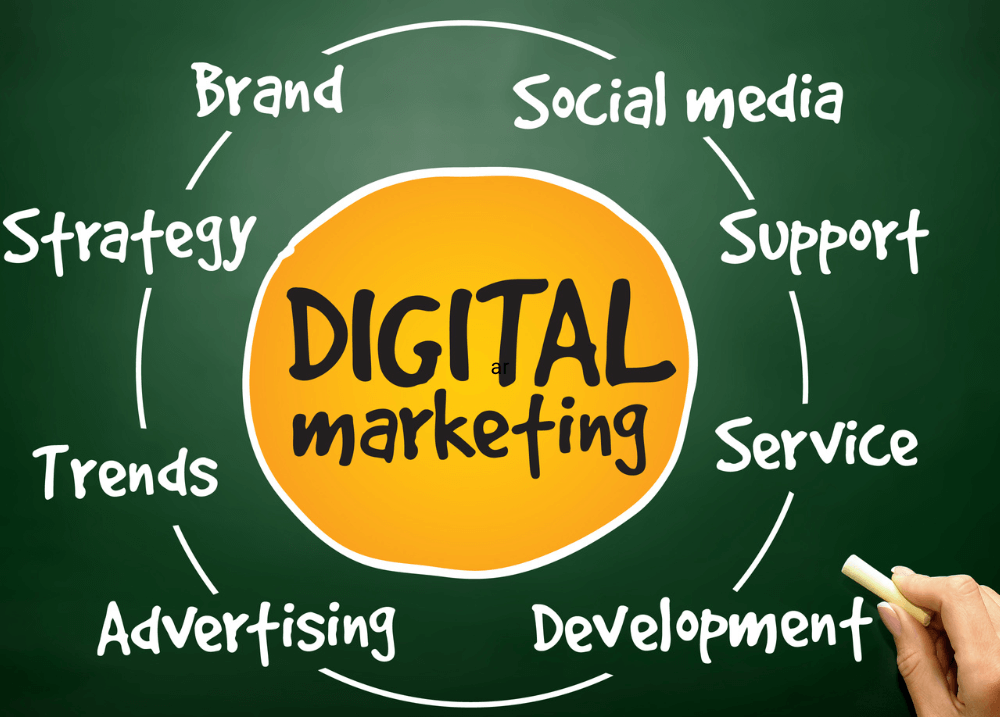
Creating a digital marketing plan for a hotel involves various strategic steps. Key elements include establishing clear goals, understanding your target audience, and analyzing your competitors to stay ahead in the market.
Setting goals and objectives
Establishing clear goals is crucial for a successful digital marketing strategy. Determine what you want to achieve, such as increasing bookings or enhancing brand recognition. Use the SMART criteria—Specific, Measurable, Achievable, Relevant, and Time-bound—to develop effective objectives. For example, aim to increase direct bookings by 20% over the next 6 months. This approach provides focus and direction, assisting in resource allocation. Revisit and adjust your goals regularly to align with changing market conditions and business priorities.
Identifying your target audience
Identifying your target audience enables personalized and efficient marketing efforts. Begin by analyzing data on existing guests, including demographics, preferences, and booking behaviors.
Use analytics tools and platforms like Google Analytics or hotel CRM systems to gather valuable insights. Create detailed buyer personas that outline characteristics of your ideal guests. Consider factors such as age, location, travel purpose, and digital behavior. Understanding these aspects allows for tailored marketing messages, enhancing engagement and increasing the chances of conversions.
Conducting competitor analysis
Conducting competitor analysis helps you understand market dynamics and identify opportunities. Start by listing your main competitors and evaluating their online presence, pricing strategies, and customer reviews. Use tools like SEMrush or Ahrefs to analyze their digital marketing efforts.
Identify what works well for your competitors and areas where they fall short. This information can inspire your strategy and help you differentiate your hotel. Pay attention to how competitors engage with their audience and any gaps in their service offerings. Adapt these insights to offer a unique value proposition.
Driving direct bookings through SEO and content marketing
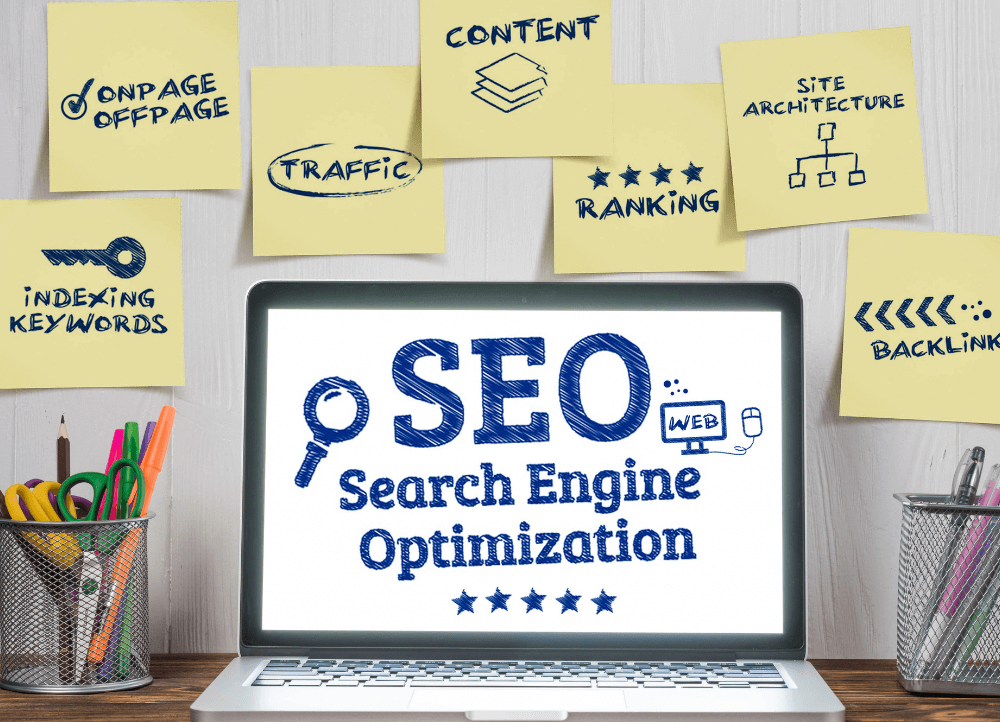
Effectively attracting direct bookings is pivotal for any hotel’s success. Leveraging SEO and content marketing can significantly enhance direct booking potential by improving visibility and engaging potential guests.
Optimizing for search engines
Focusing on SEO for hotels involves targeting relevant keywords. Identify and integrate specific keywords that potential guests might use, such as “luxury hotels in Paris” or “beachfront hotels in Miami.” Use tools like Google Keyword Planner to find popular search terms in your locale.
Ensure your website’s structure is also optimized for search engines. Fast loading times, mobile-friendly design, and secure connections (HTTPS) are essential. Develop a robust internal linking strategy to keep users engaged on your site longer. Higher engagement typically correlates with better search rankings.
Creating high-quality content
Content marketing for hotels involves publishing engaging and informative blog posts, articles, and updates that resonate with your audience. Focus on producing high-quality content that answers common queries and highlights unique offerings. Consider creating blog posts about local attractions, events, or insider travel tips to attract more organic search traffic.
Visual content, such as videos and images, can also increase engagement. Regularly update your content to keep it fresh and maintain your SEO rankings. Repurpose content across various platforms to extend your reach. For example, transform a popular blog post into a video for social media.
Local SEO strategies
Local SEO is vital in targeting prospective guests nearby or planning a visit to your area. Ensure your hotel is listed on Google My Business, providing accurate location, contact details, and opening hours. Encourage satisfied customers to leave positive reviews, which can boost your hotel’s visibility in local searches.
Optimizing for local searches also means using local keywords in your content, meta descriptions, and alt texts. Participate in local events and collaborations to enhance your online presence and generate quality backlinks, further boosting local SEO efforts. Engaging with local influencers can expand your reach and attract more direct bookings.
Leveraging social media to increase engagement and bookings
Utilizing social media can significantly enhance hotel engagement and drive bookings. By effectively using platforms, collaborating with influencers, and running targeted ads, you can create impactful connections with your audience.
Effective use of social media platforms
Start by identifying the platforms that best suit your hotel’s target demographics. Facebook is ideal for sharing updates, pictures, and events. Instagram excels with visual storytelling and could showcase your hotel’s scenic views or unique amenities. Regularly engaging your audience through posts and stories keeps them interested. Encourage users to share their experiences by using branded hashtags. Using Instagram Stories and Facebook Live offers real-time interaction, increasing engagement and creating a sense of community.
Influencer and social media marketing
Influencers can elevate your digital marketing strategy by reaching a larger audience. Collaborate with those whose followers match your target market. A travel influencer staying at your hotel can create authentic content that resonates with potential guests.
Clearly outline your partnership goals. Decide whether to aim for more engagement, increased bookings, or enhanced brand awareness. Authentic and genuine influencer posts tend to perform well, enhancing trust among viewers. Consider a mix of macro and micro-influencers. Macro-influencers increase visibility, while micro-influencers often have more personalized interactions with followers, leading to higher engagement rates.
Social media ads and engagement
Social media ads allow targeted marketing to specific demographics. Use detailed targeting options on Facebook and Instagram to reach potential guests based on age, location, interests, or behavior. Create visually appealing and concise ad content to capture attention quickly.
Highlight your hotel’s amenities, special offers, or customer testimonials. Carousel ads can showcase multiple aspects of your hotel, increasing interest. Engage with users who react to your ads. Responding to comments and messages shows customer appreciation and builds relationships. Analyzing ad performance metrics like click-through rates and conversions enables strategy adjustment for optimal outcomes.
Maximizing conversion with advertising and user experience
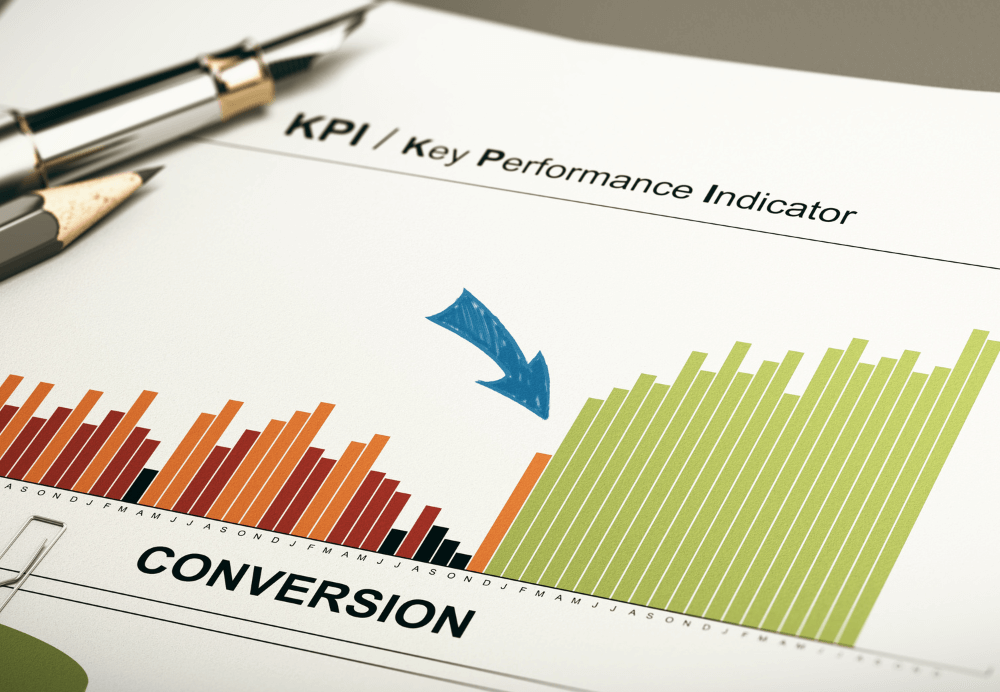
Drive hotel bookings by leveraging paid advertising strategies and enhancing user experience on your website. Focus on attracting potential guests through targeted online advertising and ensure your website is optimized to convert visitors into customers.
Implementing paid advertising campaigns
Utilize paid advertising to reach potential guests effectively. Start by identifying your target audience and selecting platforms where they are active. Consider using display ads on travel sites or social media platforms, ensuring that visuals and messaging align with your brand.
Track your campaigns’ success by monitoring key metrics such as click-through rates and conversion rates. Adjust targeting settings and ad content based on performance. A/B testing can help determine which ads resonate most with your audience. By refining your approach, you enhance your chances of converting ad views to bookings.
Pay-per-click and Google hotel ads
Implementing Pay-Per-Click (PPC) ads, including Google Hotel Ads, can significantly boost website traffic and bookings. PPC allows you to pay only when someone clicks, optimizing budget allocation. Use Google Hotel Ads to appear directly in travelers’ searches, increasing your visibility.
Focus keywords should be relevant to your services and location. These keywords will target users actively searching for accommodation options, thus improving your conversion rate. To get the best results, regularly update ad content, keywords, and bidding strategies. Monitoring these elements closely ensures your ads remain impactful and cost-effective.
Enhancing user-friendly website design
Creating a user-friendly website is crucial for maximizing conversion rates. Ensure your website is intuitive, with easy navigation and quick load times. Use high-quality images and precise descriptions of your hotel’s amenities and services.
Consider implementing features like a booking engine and mobile responsiveness. These elements make it easy for visitors to book directly through your website. Regular website optimization can lead to increased direct bookings, reducing commission costs paid to third-party platforms. Gather feedback from users to further improve usability and design to boost overall customer satisfaction and increase conversions.
Promoting brand loyalty and managing online reputation
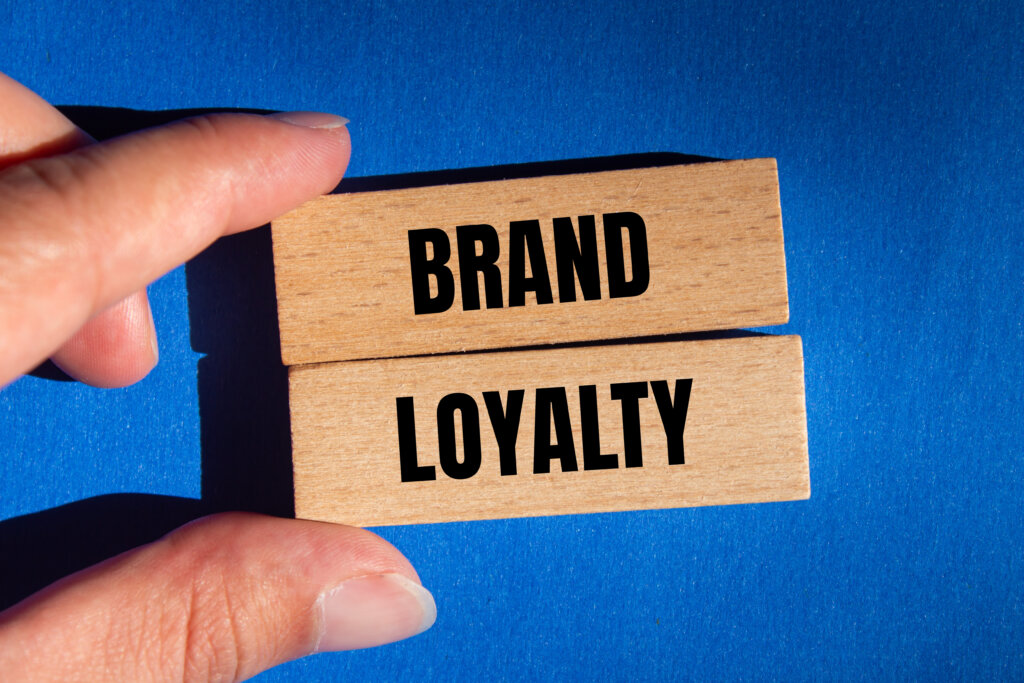
Creating a strong digital marketing strategy for hotels involves boosting brand loyalty and managing your online presence. This requires tactful promotion, effective loyalty programs, and vigilant oversight of online reviews.
Strategies for boosting brand awareness
In the digital marketplace, increasing brand awareness is essential. Social media platforms provide an opportunity to engage directly with travelers. Regularly posting engaging content, such as photos and videos of your hotel’s amenities and nearby attractions, draws attention.
Paid advertising on platforms like Instagram or Facebook can help reach targeted demographics. Collaborating with influencers who align with your hotel’s brand can also be very effective. Utilizing search engine optimization (SEO) ensures your hotel appears in searches relevant to travel and lodging, capturing a broader audience.
Customer retention and loyalty programs
Customer retention is vital for sustaining a successful hotel business. To boost customer loyalty, establish a loyalty program. This program should reward repeat customers with incentives like discounts on future stays, free upgrades, or special services. Personalization in communications also enhances customer experience. For example, birthday greetings or exclusive offers can make guests feel special.
Another way to enhance customer loyalty is by collecting feedback through surveys. This allows for continuous improvements and shows genuine concern for guest experiences. Loyalty is fostered not only through rewards but also with quality service and personal touches that create memorable experiences. Such efforts encourage guests to choose your hotel again and recommend it to others, fostering a loyal customer base.
Online reviews and reputation management
In today’s digital age, online reviews significantly impact a hotel’s reputation. Monitoring reviews across platforms like TripAdvisor, Google, and Yelp is crucial. Respond promptly to both positive and negative reviews. Thank guests for positive feedback and address any negative comments constructively. This shows that you value customer opinions and are committed to improvement.
Implementing tools that send automated review requests post-stay can increase positive review generation. Regularly assess your hotel’s online ratings and comments to gain insights into areas that need enhancement. Actively managing your reputation by engaging with reviews helps maintain a positive image. It can also lead to increased bookings and customer trust.
Boost your hotel’s digital presence with professionals from Quickly Hire
In today’s competitive hospitality industry, a strong digital marketing strategy is essential for attracting guests and increasing bookings. By leveraging SEO, social media, and targeted advertising, hotels can effectively engage travelers and enhance their online presence.
With Quickly Hire, you can access experienced fractional digital marketing professionals who specialize in the hospitality sector. They’ll help craft a dynamic content plan, optimize your website for search engines, and run data-driven campaigns to maximize your ROI. Let experts handle your digital marketing so you can focus on delivering exceptional guest experiences.