
Navigating the world of Facebook Ads requires a keen eye and a strategic approach. Mistakes can easily lead to wasted resources, turning a well-intentioned marketing strategy into a drain on your budget. Avoiding common pitfalls in your Facebook campaigns can ensure you see the best return on your investment.
Many businesses struggle with Facebook Ad Mistakes that can seriously impact ad performance. Overspending on poorly targeted ads or failing to track results could hinder your marketing goals. Understanding how to use your ad spend effectively is crucial for boosting engagement and ROI.
By identifying frequent errors, you can optimize your campaigns and make every dollar count. Through careful planning and execution, your use of Facebook Ads can truly align with your business objectives.
Identifying your campaign objectives
Identifying your campaign objectives is essential for creating effective Facebook ads that maximize your budget. Clarity in objectives enhances targeting and improves the alignment between your ad content and audience expectations.
Setting clear objectives for better campaign performance
Your campaign objectives serve as the foundation for your ad strategy. Start by determining what you want to achieve with your Facebook ads. Do you want to increase brand awareness, drive website traffic, or boost sales? Each goal requires a different approach. For example, brand awareness campaigns focus on reach and impressions, whereas conversion-driven campaigns emphasize actions like purchases or sign-ups.
Clear objectives help determine the appropriate ad format, creative elements, and key performance indicators (KPIs). Without them, you risk misallocating resources and confusing your audience. Re-evaluate your objectives regularly to ensure they remain aligned with your business goals. This helps in adapting to changes in your market or audience.
Understanding campaign goals and target audience
Identifying your target audience is crucial to crafting relevant ad content. Begin by creating detailed audience personas that highlight demographics, interests, and online behaviors. Knowing your audience helps in selecting the right campaign goals and refining your strategies. For instance, if your target audience comprises young adults interested in fitness, your campaign might focus on driving engagement through interactive content and offers. Effective audience targeting enhances ad relevance and engagement rates, leading to better campaign performance.
Leverage Facebook’s audience insights and analytics tools to gain a deeper understanding of your audience. This information helps you tailor your campaigns to connect more meaningfully with your target audience. Continual assessment and adjustment of audience targeting ensure that your ads resonate and achieve the intended outcomes.
Crafting the ad content and creatives
Creating effective Facebook ads involves more than just choosing a good image and catchy text. It’s crucial to design engaging visuals and compelling ad copy while maintaining originality to enhance brand awareness and engagement.
Designing attractive visuals and ad copy
Your ad creative must catch the viewer’s eye to make a significant impact. Use bold colors and high-quality images to create attractive visuals that align with your brand’s aesthetic. Contrast, symmetry, and balance play vital roles in making visuals appealing. Ad copy should be concise yet impactful, driving the message home swiftly. Focus on specific benefits or solutions that your product or service offers. Use action-oriented language to encourage clicks and engagement.
Avoiding overuse of stock images and focusing on originality
Relying heavily on stock images can make your ads appear generic. Instead, aim to incorporate original photography or illustrations that reflect your brand’s unique personality. Custom visuals help build authenticity and brand recognition.
Originality in images paired with personalized ad content can significantly boost engagement. A distinctive blend of creative elements can set you apart from competitors and attract the audience’s attention.
Targeting and audience optimization

An effective Facebook ad strategy requires precise targeting and optimization. Leveraging Facebook Pixel and properly defining custom audiences can greatly enhance your ad performance and prevent unnecessary spending.
Navigating targeting options and custom audiences
Identify your target audience by using Facebook’s extensive targeting options to maximize budget efficiency. Age, location, interests, and behaviors are among the parameters you can adjust. Define Custom Audiences to reach users who’ve interacted with your business before. This could include website visitors, app users, or previous customers.
By refining audience segmentation, you can minimize poor targeting and focus on those most likely to engage. Regularly analyze performance metrics to optimize your campaigns. Adjust targeting parameters as you gain more audience insights. This approach lets you focus your spending on audiences that drive results.
Utilizing Facebook Pixel for remarketing and audience insights
The Facebook Pixel is a code that you place on your website to collect data. It helps track actions visitors take, providing valuable insights into user behavior. This information is crucial for creating targeted ads that cater to specific audience segments.
Remarketing uses Pixel data to show ads to previous visitors who didn’t convert. It’s a way to re-engage potential customers. Crafting personalized messages can increase the chances of conversion. Audience insights gained from the Pixel allow you to make data-driven decisions. They help refine your targeting strategy by revealing patterns and behaviors of your audience, leading to more effective ad campaigns.
Efficient budget and bidding strategies
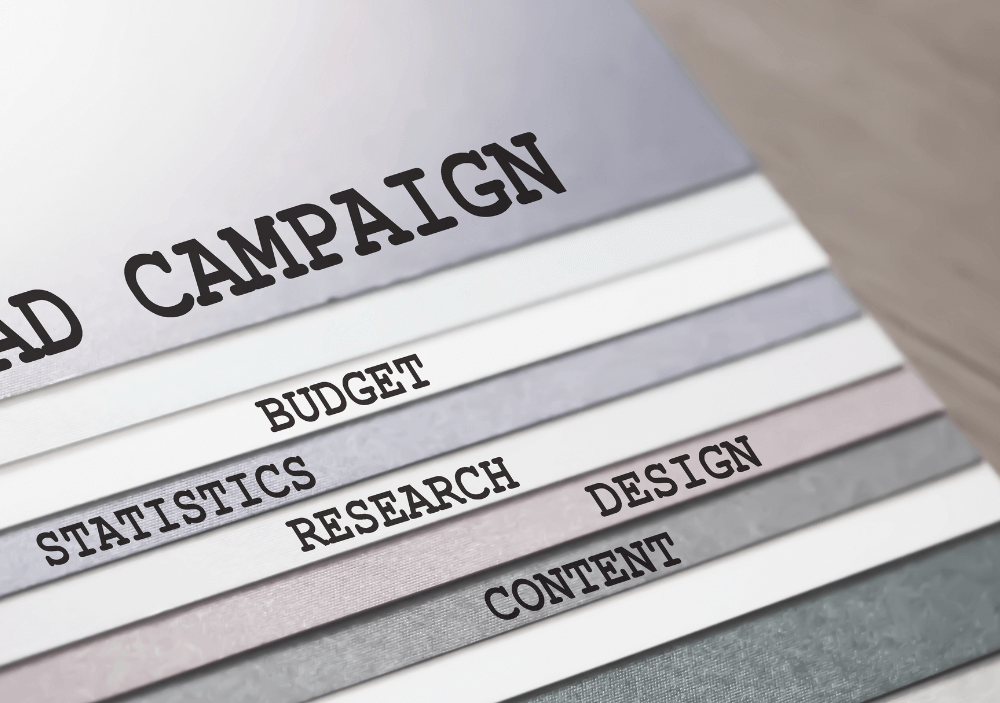
Maximizing the effectiveness of your Facebook ads involves strategic budget allocation and careful testing. By implementing well-planned approaches, you can enhance your return on investment and keep your ad performance optimal.
Allocating budget wisely for maximum return on investment
Allocating your ad budget effectively is crucial for optimizing returns. Start by understanding your target audience and aligning your budget with segments most likely to convert. Prioritize campaigns with the highest ROI potential. Consider beginning with a smaller budget, then incrementally increasing it as you analyze performance data. This approach allows for flexibility and better control over spending.
Tools like Facebook’s Ads Manager can aid in monitoring expenses and performance. Regularly revisit your budget allocation to reflect market changes or shifts in business goals, ensuring your strategy remains aligned with your targets.
Utilizing A/B testing to maximize ad performance
A/B testing is a powerful method for optimizing ad performance. By testing different versions of your ads, you can determine what resonates best with your target audience. Experiment with elements like ad copy, visuals, and calls-to-action. Create multiple ad sets with slight variations and measure their performance against each other.
Use metrics such as click-through rates and conversion rates to identify top-performing versions. Once you identify successful elements, incorporate them into future campaigns for improved results. Maintain a cycle of testing and optimization to refine your strategy progressively, thus enhancing your return on investment and maintaining budget control.
Measuring and analyzing ad performance

Effective management of Facebook ad campaigns requires a careful examination of performance metrics and understanding the learning phase. To ensure optimal results, focus on adjusting tactics to boost conversions and enhance campaign performance.
Interpreting performance metrics for campaign optimization
When managing your ads, focus on key performance metrics such as click-through rates (CTR) and conversion rates. High CTR indicates engaging ad content, leading to more traffic. On the other hand, conversion rates tell you how effectively your ad turns visits into actions, like purchases or sign-ups.
Another crucial metric is ad frequency. If users see the same ad too often, it can lead to ad fatigue, reducing its effectiveness. Adjusting your ad settings may be necessary to optimize visibility without causing annoyance. Analyze these metrics regularly to find patterns. Look for trends indicating what works and what doesn’t. Data-driven decisions will help optimize for conversions and improve campaign results.
Learning phase and adjusting tactics for better conversions
The learning phase is when Facebook’s algorithm understands your ad’s optimal performance areas. During this time, your ad delivery stabilizes, and you gather insights. Expect fluctuations in performance as the system fine-tunes targeting. Monitor how long the learning phase takes. Consistently changing ads or targeting can prolong this phase.
Allow data to accumulate before making significant changes, ensuring accurate performance evaluations. Once past the learning phase, assess which elements drive success. Adjust tactics such as targeting, ad creatives, and budget allocations to enhance conversion rates. Use this adaptive strategy for better campaign performance and higher conversions.
Avoiding common mistakes for sustained growth

To enhance business growth, it’s crucial to address frequent Facebook advertising mistakes. Ad fatigue and poor mobile optimization can weaken ad performance. By implementing creative refreshes and focusing on the user experience, you can optimize your ads.
Preventing ad fatigue through creative refreshes
Ad fatigue occurs when audiences see the same ad repeatedly. This results in declining engagement and increased costs. Try rotating your ad creatives regularly to prevent this. Use A/B testing: Compare different ad formats, headlines, and visuals to determine what resonates best with your audience. Keep designs fresh, relevant, and aligned with your brand’s message. Experiment with various content types such as videos, carousel ads, and engaging images. A thoughtful refresh cycle keeps your audience interested, maximizing return on your advertising spend.
Ensuring mobile optimization for user experience
With a significant portion of Facebook users accessing the platform via mobile devices, optimizing ads for mobile is essential. Ensure your images and videos are high-quality and load quickly to keep users engaged.
Responsive design ensures that your content adapts seamlessly to different screen sizes. Prioritize concise messages and strong calls to action that work well on smaller screens. Testing your ads on various devices and adjusting accordingly supports a seamless user experience. Optimized mobile experiences encourage interaction and drive conversions effectively.
Avoid costly Facebook ad mistakes by hiring experts from Quickly Hire
Running successful Facebook Ads requires a strategic approach to avoid common mistakes that can drain your budget. Many businesses overspend on poorly targeted ads or fail to track performance, leading to missed opportunities and low ROI.
By working with Quickly Hire, you can optimize your ad spend and ensure your campaigns reach the right audience. Expert management helps boost engagement, improve conversions, and maximize returns. Instead of wasting resources on trial and error, let professionals handle your Facebook Ads for smarter, more effective marketing. Hire a fractional Paid ad specialist from Quickly Hire today.