
Today’s workplace has changed dramatically since the pandemic. Many companies now blend in-office and remote workers, while also mixing full-time staff with fractional talent. Managing hybrid teams effectively requires clear communication, intentional inclusion, and a focus on results rather than location or hours worked.
Building a successful hybrid team means creating seamless collaboration between different types of workers. You need to combat what experts call “distance bias” by making sure your remote team members feel just as included as those in the office. This means informing everyone of important updates simultaneously and considering video-only meetings to level the playing field.
Trust forms the foundation of any effective hybrid arrangement. You can build this by encouraging openness and visibility in how work gets done. Regular one-on-one check-ins with remote employees help maintain connections, while a consistent focus on outcomes rather than work style keeps everyone aligned toward the same goals.
Foundations of hybrid work

Hybrid work models combine in-office and remote work arrangements, providing flexibility while maintaining productivity. This approach has evolved significantly in recent years, creating new opportunities for organizations to blend different types of workers.
Understanding hybrid work models
Hybrid work combines on-site and remote work in various configurations. Some teams operate with employees splitting their time between office and remote locations, while others maintain a core in-office team supplemented by remote workers. The most effective hybrid models are intentionally designed rather than happening by accident. Building trust is fundamental to successful hybrid teams. Without regular face-to-face interaction, you need clear communication systems and expectations.
Different models include:
- Split-week arrangements: Employees work specific days in-office, others remotely
- Cohort-based schedules: Different teams come in on different days
- Activity-based decisions: Location depends on the work being performed
Your choice of model should align with business goals, team needs, and individual work styles.
Impact of covid-19 on work arrangements
COVID-19 dramatically accelerated the adoption of hybrid work. What was once a rare perk became a necessity almost overnight. Organizations discovered that productivity often remained stable or even improved during remote work periods.
The pandemic revealed several important insights:
- Remote work is viable for many roles previously thought to require in-person presence
- Technology can effectively support distributed teams
- Work-life balance improved for many employees
However, challenges emerged around collaboration, innovation, and maintaining company culture. Some employees thrived working from home, while others struggled with isolation or inadequate work environments. As restrictions eased, many organizations found a middle path that incorporated the best aspects of both remote and in-office work. This hybrid approach became the new normal for knowledge workers.
The flexibility of fractional and full-time roles
Hybrid teams often include both traditional full-time employees and fractional talent. Fractional workers provide specialized skills on a part-time or project basis, creating flexible workforce solutions.
This combination offers several advantages:
- Cost efficiency: Access to specialized talent without full-time salary commitments
- Scalability: Easily adjust workforce size based on current needs
- Skill diversity: Bring in experts for specific initiatives
One challenge is creating seamless collaboration between full-time and fractional team members. You need systems that allow for effective knowledge sharing and maintain consistent communication. Technology platforms become especially crucial when managing these blended teams. Project management tools, communication channels, and documentation practices must be accessible to all team members regardless of location or employment status.
Assembling your hybrid team

Creating an effective hybrid team requires careful planning and strategic talent acquisition. The right mix of leadership, talent sources, and compelling value propositions will set your organization up for success in today’s flexible work environment.
Building the leadership team
Strong leadership forms the foundation of successful hybrid teams. Your leadership team should include individuals who understand both in-office and remote work dynamics. C-level executives must demonstrate flexibility and clear communication skills. Look for leaders with experience managing distributed teams.
These individuals bring valuable insights about what works and what doesn’t in hybrid environments. They should be able to create an environment where team members feel comfortable sharing thoughts. Consider including both traditional managers and collaborative leaders on your team.
This balanced approach helps address various workforce management challenges. Your leadership should model the hybrid work behaviors you expect from others. Technical competence matters, but don’t underestimate the importance of emotional intelligence. Leaders must recognize when team members need support, even when they can’t see them in person.
Sourcing Talent: full-time and fractional workforce
Expand your talent pool by considering both full-time employees and fractional talent. This approach gives you access to specialized skills without the commitment of permanent hires. When sourcing full-time employees, look beyond geographical boundaries. Remote work options allow you to recruit from previously untapped markets. Be clear about in-office expectations during the hiring process. For fractional workers, establish clear deliverables and communication channels.
These professionals often bring diverse experiences that enrich your team. One of the biggest challenges is creating seamless collaboration between full-time and fractional members. Use specialized platforms to find qualified fractional talent. These marketplaces often vet professionals, saving you time and reducing hiring risks. Maintain a database of reliable contractors for future projects. This proactive approach reduces onboarding time when new needs arise.
Employee value proposition for hybrid teams
Your employee value proposition (EVP) must address the unique benefits of joining a hybrid team. Highlight flexibility as a key advantage, but don’t stop there. Emphasize work-life balance opportunities that come with reduced commuting. Show how your organization supports both in-office and remote work with appropriate tools and resources. Professional development should be accessible regardless of location. Outline how you invest in both full-time and fractional team members’ growth.
Team-building activities designed specifically for hybrid environments should be part of your EVP. These activities foster cohesion and build relationships across physical boundaries. Be transparent about how performance is measured in your hybrid model. Clarify that results matter more than work location or hours logged. This outcomes-based approach appeals to high-performers seeking autonomy.
Strategies for effective management

Managing hybrid teams requires specific approaches that balance the needs of both fractional and full-time employees. The right strategies build trust, maintain compliance, and enhance productivity across different work arrangements.
Implementing hybrid work policies
Clear policies form the foundation of successful hybrid team management. Start by defining when team members need to be physically present versus when they can work remotely. This creates structure while maintaining flexibility.
Document these policies in an accessible location and review them quarterly. Your policy should address:
- Communication expectations: Specify response time frames and preferred channels
- Core hours: Establish when all team members must be available regardless of location
- Meeting protocols: Set guidelines for virtual, in-person, and hybrid meetings
Consider creating a dependency matrix that maps how team members’ work interconnects. This helps everyone understand how their contributions impact others. Involve both fractional and full-time employees in policy development to ensure their unique needs are addressed. Regularly gather feedback and be willing to adjust your approach.
Upholding compliance and HR processes
Hybrid teams with mixed employment types face unique compliance challenges. Start by confirming proper classification of fractional workers as either contractors or part-time employees to meet labor regulations.
Create standardized onboarding procedures that work for both employment types. Include:
- Documentation requirements specific to each worker category
- Access levels appropriate to role and employment status
- Privacy protocols for handling sensitive information
Ensure your HR processes accommodate different employment arrangements. Pay particular attention to benefit eligibility, time tracking requirements, and tax implications. Regular compliance audits help identify potential issues before they become problems. Consider auditing your team structure periodically to verify proper classification and documentation.
Productivity and engagement in hybrid teams
Building engagement across different employment types requires intentional effort. Focus on results rather than time spent working to measure productivity fairly.
Create connection opportunities through:
- Regular check-ins (both individual and team-based)
- Virtual social events that accommodate different schedules
- Celebration of achievements regardless of employment status
Use technology wisely to support productivity. Project management tools like Asana or Monday.com provide transparency into workflows and deadlines. Communication platforms such as Slack facilitate quick exchanges. Set expectations early and clearly about deliverables, quality standards, and communication norms. This helps avoid misunderstandings that can undermine team cohesion. Encourage mentorship relationships between full-time and fractional team members to share knowledge and build stronger connections.
Fostering innovation and growth
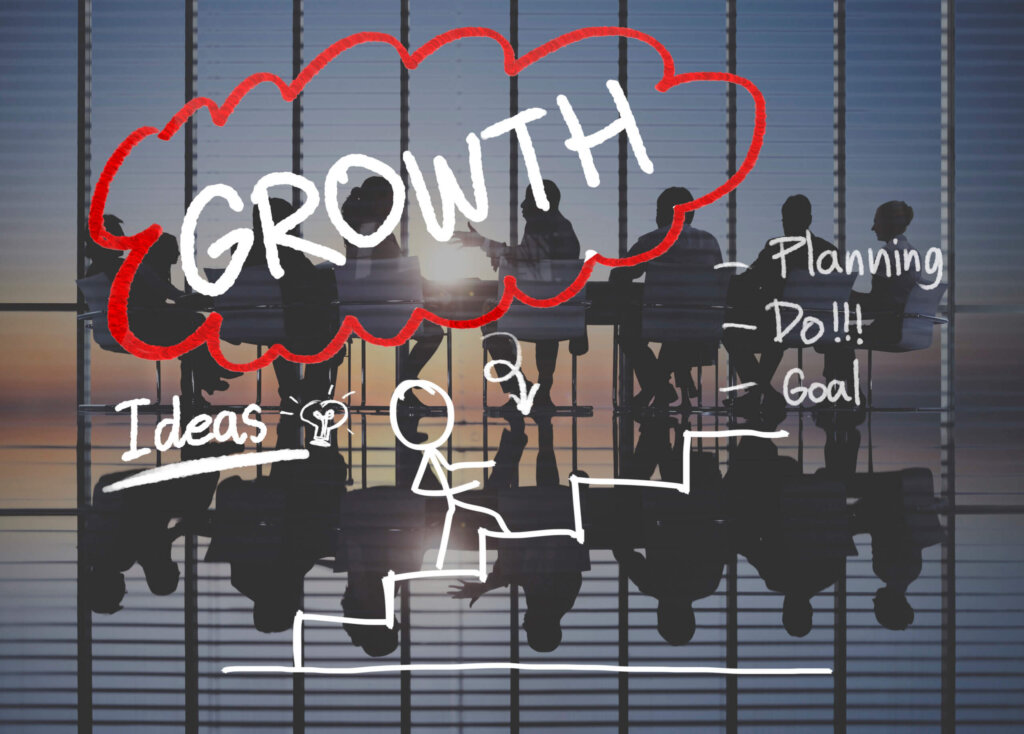
Creating a thriving environment for innovation requires intentional strategies that work across different team structures. Smart leaders know that combining fractional and full-time team members creates unique opportunities for fresh perspectives and accelerated growth.
Initiating a culture of innovation
Building an innovative culture starts with psychological safety. When team members feel safe sharing ideas without judgment, creativity flourishes. You can establish this foundation by celebrating both successes and productive failures. Communication channels must accommodate all team members. Hybrid teams need both synchronous discussions and asynchronous brainstorming tools to ensure everyone contributes regardless of location or schedule.
Consider implementing innovation time where team members can pursue passion projects. Companies like Google and 3M have long demonstrated how dedicated innovation time leads to breakthrough products. Cross-functional collaboration between fractional experts and full-time staff often sparks the most creative solutions. Pair people with different backgrounds to tackle challenges from multiple angles.
Growth strategies for hybrid teams
Leverage the diverse expertise of your team by creating skill-sharing opportunities. Fractional leaders bring specialized knowledge that can foster strategic growth when properly integrated with your full-time team members.
Develop clear metrics to measure innovation progress. Consider tracking:
- Number of new ideas generated
- Implementation rate of proposed solutions
- Revenue generated from new initiatives
- Operational efficiencies gained
Invest in continuous learning opportunities tailored to both fractional and full-time team members. This might include virtual training sessions, industry conferences, or peer mentoring programs. Building trust between all team members is essential for sustainable growth. Regular check-ins, transparent decision-making, and clear visibility into how fractional expertise complements full-time staff will strengthen your team’s cohesion.
Supporting employee well-being

Employee well-being directly impacts productivity and retention in hybrid teams. When team members feel supported both personally and professionally, they contribute more effectively regardless of their full-time or fractional status.
Mental health and remote work challenges
Remote and hybrid work creates unique mental health challenges. Isolation, blurred work-life boundaries, and digital fatigue affect team members differently based on their work arrangements. For fractional team members, the pressure to perform within limited hours can increase stress. You should establish regular check-ins focused not just on tasks but on how people are doing emotionally.
Consider implementing digital wellness practices such as:
- No-meeting days
- Camera-optional policies
- Structured break times
Create opportunities for social connection that don’t disadvantage remote workers. Virtual coffee breaks and team-building activities help fractional members feel included despite limited hours. Encourage the use of employee well-being resources and normalize conversations about mental health challenges. This openness helps remove stigma and encourages people to seek help when needed.
Reskilling and upskilling opportunities
Continuous learning supports both professional growth and mental well-being. When employees develop new skills, they gain confidence and job security that positively affects their overall wellness. Offer customized learning paths for both full-time and fractional team members. Tailor these opportunities to fit different time commitments and career goals.
Consider these approaches:
- Micro-learning modules (15-30 minutes)
- Self-paced courses with flexible deadlines
- Skill-sharing sessions led by team members
Recognize that upskilling impacts employee engagement and satisfaction. When you invest in developing fractional team members, you demonstrate their value despite part-time status. Track skill development through regular feedback and adjustable goals. This creates accountability while acknowledging different capacity levels between full-time and fractional staff.
Navigating the great resignation
The Great Resignation has transformed workplace expectations, with well-being now a priority rather than a perk. You must address these changing priorities to retain both full-time and fractional talent. Conduct regular stay interviews to understand what would make team members leave—or stay. These conversations often reveal simple adjustments that significantly improve satisfaction. Flexibility has become non-negotiable. Create clear boundaries that protect employee work-life balance while ensuring work gets done. This might include:
- Core collaboration hours
- Flexible start/end times
- Results-based performance metrics
Be aware that fractional team members might be juggling multiple commitments. Respecting their boundaries demonstrates trust and builds loyalty. Monitor social media trends to understand evolving workplace expectations. This awareness helps you adapt policies before dissatisfaction leads to resignations.
Ensuring exceptional customer service

Delivering great customer service is a unique challenge when managing hybrid teams with both fractional and full-time members. You need consistent quality regardless of who handles customer interactions. Create clear customer service standards that apply to everyone on your team. These standards should outline response times, communication tone, and problem-solving approaches that reflect your company values.
Regular training is essential. Schedule team development sessions that include both your in-office and remote team members to ensure everyone understands customer expectations. Communication tools matter. Implement systems that track customer interactions across your hybrid team. This prevents issues from falling through cracks when transitioning between fractional and full-time team members.
Your leadership team should monitor customer service metrics equally across all team members. Track these key performance indicators:
- Response time averages
- Customer satisfaction scores
- Issue resolution rates
- Follow-up completion
Create a knowledge sharing system where team members document customer interactions and solutions. This helps your fractional team members quickly access information when handling customer requests. Pay attention to stress levels among customer service staff. Notice changes in behavior or interactions that might indicate burnout, especially among team members juggling multiple responsibilities.Finally, recognize excellent customer service publicly. Highlighting successes from both fractional and full-time team members reinforces your standards and builds a culture of customer care regardless of work arrangement.
Build strong hybrid teams with Quickly Hire and fractional talent
The modern workplace blends remote, in-office, full-time, and fractional team members. Quickly Hire helps you bring in fractional talent that integrates smoothly into hybrid teams. Success requires clear communication, inclusive practices, and outcome-focused leadership. Combat distance bias by keeping all team members informed, engaged, and visible. Create a unified, high-performing team—no matter where or how they work.
Hire your hybrid-ready fractional team today at Quickly Hire.