
Designing a brand logo is critical in defining your company’s identity. A well-designed logo can set your business apart, convey your company’s values, and leave a lasting impression on customers. The design process involves more than aesthetics; it’s about crafting a visual representation that aligns with your brand’s message.
In the world of logo design, simplicity and uniqueness are key. Your logo should be easily recognizable and scalable across different mediums. Whether on a business card or a billboard, straightforward and adaptable design ensures it resonates with your audience at every interaction.
Considering cultural relevance and legal aspects is also crucial. Understanding these can help avoid potential pitfalls and ensure that your logo is perceived positively by various demographic groups while complying with trademark laws.
Key takeaways for effectively designing a brand logo
- Compelling logos reflect brand identity.
- Simplicity combined with uniqueness creates impact.
- Consider cultural and legal factors in design.
Understanding brand identity

When designing a company logo, it is crucial to align it with the brand’s core values and understand the target audience through market research. These elements help ensure the logo resonates with the intended demographic and accurately reflects the brand’s essence.
Defining your brand’s core values
Start by identifying what your brand stands for. Consider writing down a list of your company’s most important principles and beliefs. Are you focused on innovation, sustainability, or customer satisfaction? These values should influence your logo choices when designing a brand logo.
Think about how colours, shapes, and fonts can represent these values. For example, green often symbolizes eco-friendliness, while sleek, modern fonts can convey innovation. Prioritizing these elements helps maintain a consistent brand message. Consistency across all branding materials strengthens your brand identity. Your logo should reflect this, ensuring your brand is easily recognizable in every context, from business cards to social media profiles.
Target audience and market research
Understanding your target audience involves more than identifying age or location. Look into their preferences, needs, and behaviours. Conduct surveys, interviews, or focus groups to gather comprehensive insights. Market research helps you recognize trends and competitors. Observe what successful brands in your industry are doing and note how their logos appeal to their audiences. Use this information to create a logo that stands out yet aligns with your audience’s expectations.
Tailor your logo design to appeal directly to your target demographic. The more closely your logo resonates with their preferences, the stronger the brand connection you build.
Logo design elements
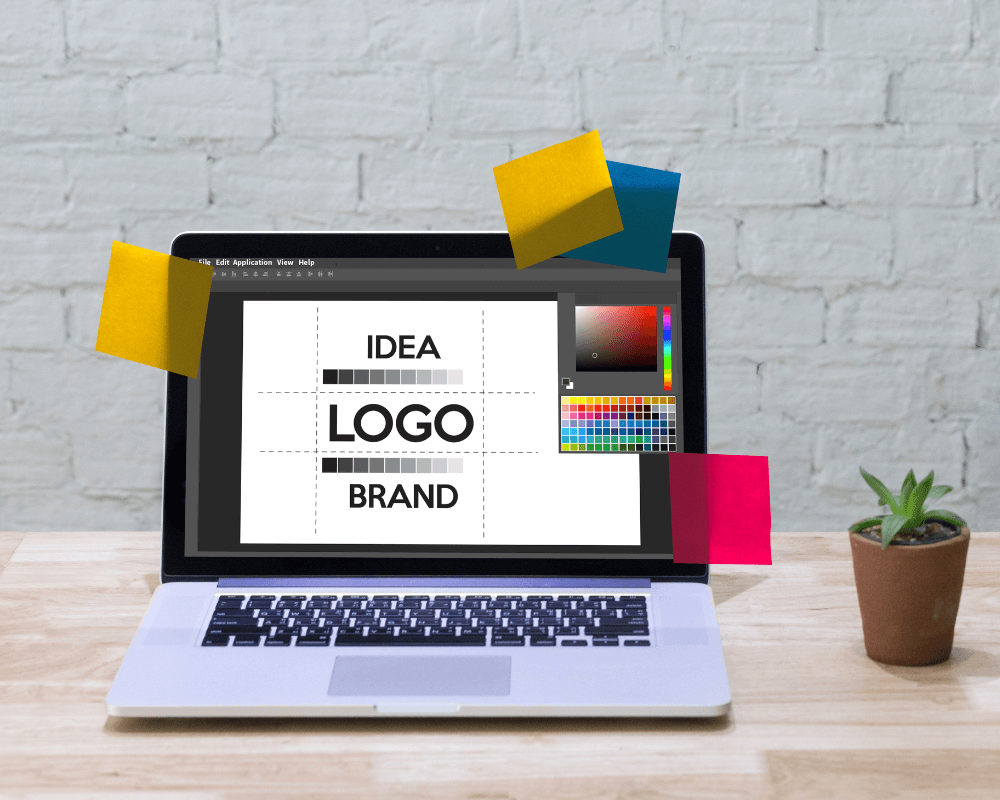
When designing a company logo, focusing on elements like color, typography, and iconography helps create a solid and memorable brand image. Each component is pivotal in effectively conveying your brand’s message and values.
Color psychology
Color impacts how people perceive your brand. Different hues evoke certain emotions and associations. For instance, blue often signifies trust and calmness, while red can represent passion and urgency.
Selecting the right color palette involves understanding the emotions you want to evoke. Complementary colors can create a balanced and aesthetically pleasing look. Consider cultural factors, as colors may have different meanings in various regions. Using a limited colour scheme avoids overwhelming viewers and ensures the logo is versatile and recognizable. Sticking to 2-3 primary colors helps maintain simplicity and clarity across different mediums.
Typography and font selection
Typography communicates the personality of your brand. The typeface you choose should align with your brand’s tone and identity. Serif fonts often exude a classic and traditional feel, whereas sans-serif fonts are perceived as modern and sleek.
Readability is crucial. Ensure that the typography remains legible across various sizes and platforms. Consider how the fonts pair with any logo symbols or icons to maintain cohesiveness. Custom fonts provide uniqueness but balance them with more conventional typefaces to ensure clarity. Consistency is critical to reinforcing brand recognition. Opt for fonts that work well in both digital and print media to maintain uniformity.
Symbolism and iconography
Symbols and icons in used while designing a brand logo visually represent your brand’s essence. They should be instantly recognizable and convey meaning without explanation. Consider industry norms and avoid complex designs that might confuse your audience. Simplicity in iconography allows for easy recognition. Use geometric shapes to create a timeless and versatile symbol. Reflect on how the symbol harmonizes with your brand’s mission and values, ensuring it aligns with the message you wish to share.
The size and adaptability of the symbol matter. It should scale appropriately across various platforms, from business cards to billboards. Testing your logo against different backgrounds and environments ensures its effectiveness in conveying your brand message.
Balancing simplicity and uniqueness

Finding harmony between simplicity and uniqueness is crucial when designing a company logo. A simple yet distinctive design ensures the logo is memorable and easily recognizable.
The simplicity principle
Simplicity in logo design enhances communication and ensures clarity. A simple logo is easily recognizable and memorable, making it more likely to have a lasting impact on the viewer. Clean lines, basic shapes, and a limited color palette can help achieve simplicity without losing visual appeal.
Additionally, simplicity facilitates versatility. A straightforward design can be easily adapted across various mediums and sizes, from business cards to giant billboards, without losing effectiveness. This adaptability is essential in today’s diverse marketing environments.
Achieving distinctiveness
While simplicity is vital, a logo must also stand out. Distinctiveness ensures that your logo isn’t confused with others and captures the essence of your brand. Incorporating unique elements or creative interpretations of standard symbols can set your logo apart.
To achieve this, consider the emotions and messages you want your logo to convey. Choose unique font styles, integrate meaningful symbols, or use innovative colour combinations that reflect your brand identity. Striking a balance between familiar concepts and creative flair can create a memorable logo that speaks to your audience.
Scalability and adaptability

When designing a company logo, it’s essential that the design works across different platforms and can evolve. A successful logo should maintain its impact regardless of size and remain relevant as trends and business needs change.
Multi-platform consistency
Your logo needs to look great on various platforms, from digital screens to print media. It is crucial that the logo maintains consistency in aesthetics and readability across different sizes. Ensure your design is versatile enough to be effective on business cards, websites, billboards, and social media profiles.
Using vector graphics ensures scalability, as they can be resized without losing quality. Pay attention to color schemes; they should be adaptable for both color and black-and-white applications. Designing a brand logo with a simple, clean look often aids in maintaining clarity across these mediums. Consider testing your logo on multiple backgrounds to ensure versatility and accessibility.
Future-proof design
Your logo should be built to withstand future changes within your industry or design trends. Aim for a timeless quality that aligns with your brand’s mission and values. Avoid overly trendy elements that could quickly date your logo.
Consider how your logo aligns with your company’s potential growth. As your business expands or pivots, the logo should remain applicable. Allow room for evolution in design but keep the core elements intact. Seek feedback to ensure the design resonates and stays meaningful over time, reflecting current brand presence and future aspirations.
Cultural and legal considerations

Creating a company logo requires careful attention to cultural nuances and legalities. It is crucial to ensure sensitivity and relevance to diverse audiences while securing legal protection to safeguard your brand identity.
Cultural sensitivity and Relevance
Cultural sensitivity is essential when designing a logo. Colors, symbols, and imagery can have different meanings across cultures. A color that’s positive in one culture may be negative in another. It’s important to research and understand these associations to avoid potential misinterpretations.
Consider hiring local experts or consulting with someone familiar with the target market’s cultural norms. This extra step can prevent unintentional offences and ensure your logo resonates well with the intended audience. Understanding the cultural context can ultimately enhance the logo’s acceptance and effectiveness.
Trademarking and intellectual property
Securing your logo through trademarking is a critical step. A trademark provides legal protection, deterring others from using a similar design that might confuse your customers. Conducting a thorough trademark search can help ensure your logo is unique and does not infringe on existing trademarks.
Once confident your logo is original, file for a trademark with the appropriate authorities. Monitor renewal dates and enforce your rights if infringement occurs. This legal safeguarding helps protect your brand’s reputation and financial interests, maintaining the integrity of your company’s visual identity.
Design process and iteration

Creating a compelling logo involves a thoughtful design process, starting with initial concepts and sketches. Engaging in feedback loops and making revisions can significantly enhance the design.
Conceptualization and sketching
Before jumping into digital design, you begin with conceptualization and sketching. This stage is crucial, allowing you to explore different ideas and styles. Brainstorm and draft several ideas, focusing on the brand’s identity and values.
Try sketching various shapes, symbols, and typography combinations to find what works best. Use simple tools like pencils, sketchpads, or digital sketching apps. This initial phase sets the foundation, helping identify what resonates with the target audience. Keeping the logo versatile and scalable is also essential, ensuring it fits different contexts and media.
Feedback loops and revisions
Feedback is an integral part of a successful logo design. Once initial designs are ready, you introduce feedback loops—a systematic approach to gathering insights from stakeholders, clients, or focus groups. Constructive criticism helps refine the logo further. After collecting feedback, revisit your designs to incorporate suggestions and improvements.
Iteration is critical; a single revision may not be enough to achieve the desired result. Be prepared for several cycles of adjustments to meet expectations. This process helps you balance aesthetic appeal and functional integrity, ensuring the logo aligns well with the brand’s mission and core values.
Practical implementation

When implementing a company logo design, focus on ensuring digital and print media versatility and maintaining consistent branding guidelines. These considerations will help to reinforce brand identity and optimize logo utility across various platforms.
Digital and print usage
Your logo should look good on digital screens and printed materials. To achieve this, design in a vector format for scalability, ensuring clarity in different sizes. Test the logo in various applications like websites, mobile apps, business cards, and billboards.
Color is crucial. Select a color scheme that appears vivid onscreen yet true to design in print. Consider contrast across backgrounds to maintain logo visibility. Also, ensure your logo is compatible with colour and black-and-white formats. This versatility is essential for adaptability and memorability.
Branding guidelines and consistency
Developing clear branding guidelines is essential for logo consistency.
- Define rules covering color codes, typography, spacing, and size. Ensure these guidelines are accessible to anyone using the logo to maintain its integrity.
- Integrate your logo consistently across all platforms, including digital media, print advertisements, and promotional materials.
By doing so, your company can project a unified image. This helps your audience easily recognize and associate the logo with your brand identity. Regular audits of logo usage can further ensure compliance with branding guidelines, preventing any unauthorized or improper adaptations.
Frequently Asked Questions

When designing a brand logo, you must focus on effectiveness, color psychology, and adaptability. It is crucial to create something memorable yet simple. You also need to balance contemporary trends with timeless appeal.
What are the fundamental principles of effective logo design?
Effective logo design involves clarity, relevance, and scalability. Your logo should convey the brand’s identity. Focus on creating a design that is both simple and versatile. Customer recognition is critical, so ensure your logo is easily understandable and connectable to your brand’s values.
How does colour psychology impact logo design?
Color psychology plays a significant role in evoking emotions and brand perception. Different colors can influence viewers’ feelings and reactions. Choosing the right color palette is essential, as it can significantly enhance the message you wish to communicate. Consistency in color usage across various platforms strengthens brand recognition.
What steps should be taken to ensure a logo is versatile and adaptable?
To ensure versatility, design your logo with different applications in mind. Test its appearance across various sizes and backgrounds. Creating versions in both colour and monochrome helps maintain its integrity in different contexts. Versatile logos are adaptable, allowing seamless integration into multiple mediums, such as print and digital.
How can a designer create a memorable logo that stands out?
A memorable logo is distinctive and aligned with the brand’s identity. Focus on unique elements that differentiate it from competitors. Strive for a balance between innovation and simplicity. A logo that captures attention quickly and remains recognizable over time effectively contributes to brand loyalty.
What is the importance of simplicity in designing a brand logo?
Simplicity enhances recognition and versatility. You improve clarity and readability by stripping down a logo to its essential elements. A simple logo transcends cultural and language barriers, making it universally recognizable. This approach aids in creating a timeless design that maintains appeal as trends evolve.
How do you balance modern trends with timelessness in logo creation?
Balancing modern trends with timelessness involves incorporating current design elements without overcommitting to trends that may quickly fade. Analyze which trends align with your brand’s core values and integrate them subtly. This ensures the logo remains relevant and engaging while retaining a classic essence that endures over time.
Hire freelance logo designers to elevate Your brand with Quickly Hire
When starting a new business or undergoing a rebranding, having a logo that aligns perfectly with your brand identity and goals is essential. A well-crafted logo sets your business apart, communicates your company’s values, and leaves a memorable impression on your audience. Hiring the right logo designer who truly understands your brand is critical to achieving this.
At Quickly Hire, we connect you with expert freelance logo designers who take the time to understand your business vision and create a logo that embodies your brand’s essence. These professionals craft designs that resonate with your target market, ensuring your brand stands out in a competitive landscape.
Hiring a vetted freelance logo designer through Quickly Hire saves time and effort. Contact us today to start your journey toward building a solid brand identity!