
Launching a startup often means wearing many hats, and mastering SEO without relying on a costly agency can feel overwhelming. You can build strong organic growth for your startup by learning and applying practical SEO strategies yourself. This guide gives you a clear, step-by-step approach to understanding and executing essential SEO tasks.
With focused tactics on keywords, content, and website optimization, your digital marketing efforts will reach the right audience more efficiently. It’s possible to grow your visibility, attract more users, and build your brand’s authority—all without outside help.
Key takeaways
- Set up your site for SEO success from the start.
- Create valuable content focused on targeted keywords.
- Track performance and refine your efforts for ongoing growth.
Laying your SEO foundation
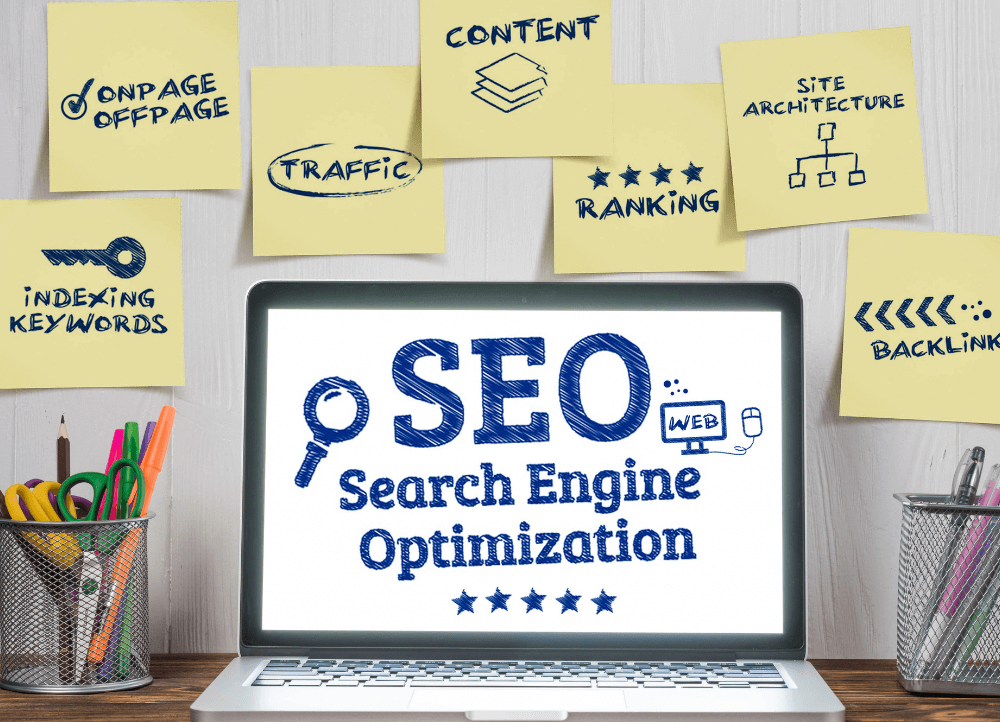
An effective SEO foundation starts with a clear understanding of how search engines work, what success means for your business, and who you are trying to reach. Getting these basics right will clarify every action you take as a startup pursuing organic search growth.
Understanding search engine optimization
Search engine optimization (SEO) is the process of making your website visible and relevant to search engines like Google, Bing, and others. You want your site to rank for keywords that genuinely match your product or service. SEO involves key concepts like on-page optimization, off-page efforts, and understanding how search engine algorithms evaluate quality and relevance.
Technical factors, such as site structure and speed, play a major role in how search engines crawl your pages. You should audit your website for crawlability, indexation, and clear internal linking. Well-structured content with proper keyword targeting is essential for ranking. Think about SEO as an ongoing process, not a one-time project.
Defining SEO goals
Setting clear SEO goals is necessary for tracking progress and allocating resources efficiently. Your goals should align with broader company objectives, such as increasing signups, driving online sales, or boosting app downloads.
Common SEO goals for startups include:
- Growing organic traffic by a set percentage
- Achieving top 3 search engine rankings for specific keywords
- Increasing conversions from organic search
Focus on measurable results. Use analytics tools like Google Analytics or Search Console to set baselines and track changes over time. Establish short-term milestones and adjust your targets based on baseline data.
Identifying the target audience
Knowing your target audience is fundamental to your SEO foundation. You want to define what types of users you need to attract and which search terms they use when looking for your service or product.
Create audience personas that cover key factors:
- Age, location, and profession
- Search intent and common queries
- Pain points and preferred solutions
Utilize keyword research tools to uncover phrases your target audience uses. Map topics and keywords to each stage of the customer journey so your content serves specific audience needs. This precise targeting helps your website appear in relevant search results and increases organic search performance for your startup.
Keyword research and content strategy

Effective SEO starts by targeting the right keywords, understanding the purpose behind each search, planning when to publish content, and knowing what your competitors are doing. Each step builds a foundation for driving consistent organic growth.
Conducting effective keyword research
Begin with keyword research tools like SEMrush and Ahrefs. These platforms provide lists of search terms, along with data on search volume, difficulty, and competition. Focus on niche keywords that align with your product or service. Organize your findings into categories: high-volume head terms, mid-tail, and long-tail keywords.
Long-tail keywords often have less competition and higher conversion rates. Use filters to identify low-difficulty, relevant keywords that match your business goals. Check for seasonal trends and fluctuating interest using Google Trends. Regularly update your research, as keyword popularity can shift over time.
Mapping search Intent
Every keyword reflects a specific search intent—informational, navigational, commercial, or transactional. Understanding this intent is crucial to fulfilling what users expect when they land on your page. Review the top-ranking search results for your chosen keywords.
Analyze content types (guides, product pages, lists) and topics to see what search engines are favoring. Match your content style and depth to what is already performing but look for gaps or unmet needs. Label each target keyword with its likely intent. This step ensures your content gives users what they want, improving engagement and satisfaction.
Building a content calendar
A content calendar brings structure to your SEO strategy. Start by mapping your most important keywords to relevant content topics, then schedule publication dates. Prioritize high-potential keywords, seasonal trends, and topics covered less often by competitors.
Plan for a consistent publishing rhythm—weekly, biweekly, or monthly—based on your resources. Use simple tables or spreadsheets to organize content ideas, deadlines, responsible team members, and keyword focus. Include checkboxes for status updates to keep work on track and maintain accountability.
Analyzing competition
Competitive analysis shows which keywords and topics your rivals are targeting. Use SEMrush, Ahrefs, or similar SEO tools to identify your direct competitors and review their top-performing pages. Examine their backlink profiles, content depth, and posting frequency.
Take note of keyword gaps—areas where your competition ranks but you do not. This can reveal opportunities to create targeted content. Evaluate content quality and structure to find strengths and weaknesses in competitor strategies. Use these insights to refine your content plan and identify areas for differentiation.
Optimizing website architecture and On-page SEO

Optimizing your website requires more than keyword use. You need to focus on structure, link pathways, user signals, speed, and technical SEO to support better search engine crawling and ranking.
Creating SEO-friendly site structure
A clear site structure helps both users and search engines. Group your pages into logical categories with descriptive URLs, such as /services/seo-consulting, instead of generic numbers or codes. Create a hierarchy that flows from broad to specific, usually starting with your homepage, main category pages, and then deeper content pages.
Use an XML sitemap and keep your navigation concise, ideally with every important page accessible in three clicks or fewer. Having a tidy structure reduces duplicate content, strengthens authority signals for internal links, and makes crawling easier for Googlebot. Keep redirects and broken links to a minimum.
On-page SEO essentials
On-page SEO involves optimizing visible content and HTML source. Use one primary target keyword for each page and place it in the title tag, first paragraph, H1 heading, and naturally through the text. Write unique meta descriptions (155-160 characters), and include relevant secondary keywords where they fit.
Use header tags (H2, H3) to break content into sections, improving readability and semantic context. Embed structured data with JSON-LD for rich results, such as product, FAQ, or review schema. Compress images and use descriptive alt attributes to boost accessibility and page ranking.
Enhancing internal linking
Internal links distribute link equity and help users discover related content. Use descriptive anchor text (avoiding vague terms like “click here”) that naturally fits context.
Link to important pages from multiple locations, such as from blog posts or landing pages to your main service offerings. This builds topical relevance and increases time on site. Don’t overuse internal links on a single page; keep to a sensible number per 1,000 words—typically 2-5 links. Maintain an updated internal linking strategy as you add new pages.
Improving page speed and user experience
Fast-loading pages are crucial for search rankings and user satisfaction. Compress images with tools like TinyPNG, leverage browser caching, and implement lazy loading for below-the-fold content. Evaluate your Core Web Vitals using Google PageSpeed Insights. Address issues like Largest Contentful Paint (LCP), First Input Delay (FID), and Cumulative Layout Shift (CLS) to meet SEO best practices.
Ensure your site is mobile-friendly and responsive. Use a simple, readable font, clear call-to-action buttons, and avoid intrusive pop-ups to improve user experience and encourage repeat visits.
Content creation and authority building

Effective SEO relies on consistently producing valuable content, establishing your expertise, and collaborating with others in your industry. By focusing on quality and reputation, you can drive organic growth without relying on outside agencies.
Producing high-quality content
High-quality content answers users’ queries with clarity and accuracy. Start by researching your audience’s pain points and preferred topics. Break information into clear sections using headers, bullet points, and concise language. Use original insights, case studies, or data to differentiate your articles from generic advice. Visual aids like images, tables, and diagrams increase engagement and make complex topics easier to understand.
Update outdated pages regularly to maintain content relevance. Check content for factual accuracy and avoid keyword stuffing. Instead, naturally include related terms and practical examples. Focus on solving user problems more effectively than your competitors. Encourage user-generated content, such as testimonials, reviews, or comments, to add fresh perspectives and build community trust.
Establishing expertise and E-A-T
Google emphasizes E-A-T—Expertise, Authoritativeness, and Trustworthiness—in its ranking systems. Clearly list your credentials and background on your author profile or About page. Cite reputable external sources to validate claims and improve reliability. Build a consistent brand voice that reflects your industry knowledge. Internal links to relevant content and external references to well-known sites reinforce authority signals.
Feature guest experts for additional layers of credibility. Maintain transparency by publishing sources, dates, and clear ownership of your site content. Monitoring reviews, addressing feedback, and demonstrating ethical business practices all improve trustworthiness with both users and search engines.
Guest blogging and outreach
Guest blogging helps you reach new audiences and earn high-quality backlinks. Target reputable sites in your niche instead of focusing on volume. Pitch relevant, well-researched topics that align with the host site’s audience. Provide real value through actionable insights rather than generic content. Include a concise, non-promotional author bio linking to your site.
Collaborate on content with industry influencers to enhance visibility and brand awareness. Engage in outreach for quotes, interviews, or expert roundups. These activities not only expand your content marketing reach but also foster beneficial relationships for long-term authority building.
Earning and managing backlinks

Backlinks play a direct role in increasing your site’s authority and trust in search engines, directly impacting your organic growth. Building and managing high-quality inbound links requires strategic outreach and ongoing evaluation to ensure long-term results.
Link building strategies for founders
Focus on link building methods suitable for early-stage teams. Start by crafting valuable, original resources such as practical guides, research data, or case studies—these naturally attract backlinks from relevant sites. Use targeted outreach, sending personalized emails to niche bloggers or journalists who would genuinely benefit from your content. Guest posting on reputable industry sites can also help—ensure your contributions are non-promotional and provide actual value to the host audience.
Other effective tactics include:
- Listing your business on high-quality directories
- Participating in relevant forums or communities (with genuine contributions, not spam)
- Collaborating with other founders for interviews or joint content
Avoid low-value link schemes, such as buying links or mass directory submissions. These hurt your site’s authority instead of helping.
Evaluating backlink quality
Not all backlinks provide the same value. Prioritize links from sites with high domain authority and relevant content. Use tools like Moz, Ahrefs, or SEMrush to check site authority scores. Assess the linking page’s topical relevance to your niche; a backlink from an authoritative industry source carries more weight than one from an unrelated site.
Look for signals of trust, such as HTTPS, transparency about ownership, and lack of spammy outbound links. Check if the link is dofollow or nofollow. Dofollow links pass page authority, while nofollow links do not, though a natural mix of both looks organic. Monitor your backlink profile regularly to spot toxic or broken links and disavow them if needed.
Leveraging high-quality inbound links
Once you secure high-quality inbound links, maximize their impact by ensuring the linked content is well-optimized, up-to-date, and useful to visitors. Update targeted pages to improve relevance for top keywords and provide clear calls to action. Monitor the performance of linked pages using tools like Google Search Console. Track increases in organic referrals, keyword rankings, or page authority.
If you notice successful link-building patterns, double down on similar tactics for other core pages. Promptly respond to mentions of your brand or product. Politely request a backlink if a site mentions your expertise or business but doesn’t link. This direct approach helps turn brand authority into tangible inbound links over time.
Measuring results And ongoing SEO success

Effective SEO is not a one-time action. You need a clear process for tracking performance, reacting to data, and scaling what works to build predictable growth.
Tracking SEO performance
Begin by using Google Analytics and Google Search Console to measure your organic search performance. These tools let you monitor organic search traffic, impressions, click-through rate (CTR), and rankings on search engine results pages (SERPs).
Build a dashboard to track key metrics, such as:
| Metric | Definition |
|---|---|
| Organic Traffic | Visits from unpaid search engine results |
| Keyword Rankings | Positions in SERPs for target keywords |
| Conversion Rate | % of visitors completing desired actions |
| Leads/Sales | Number of qualified leads or sales generated |
| Brand Mentions | References to your brand in search results |
Focus on conversions and lead generation as indicators of true business value, not just raw traffic. Regularly audit pages driving the most organic results to identify patterns.
Adjusting ased on analytics
Consistently review your analytics to identify what’s working and what isn’t. Look for trends in traffic drops or gains that cborrespond to recent changes in content, site structure, or external signals. If a page drops in rankings, examine metrics like bounce rate and time on page to diagnose issues. Use data from Google Search Console to uncover new keywords that are generating impressions but have low CTR—these present quick-win optimization opportunities.
Update content and metadata to improve click-through rates for pages with strong impressions but weak traffic. Remove or update underperforming pages that don’t contribute to conversions or brand recognition. Measure changes after tweaks to evaluate impact.
Scaling organic growth
Double down on what brings you organic results. Create more content around top-performing topics and keywords, using data from analytics to guide your editorial calendar. Systematize your link-building by tracking sources of referral traffic in Google Analytics. Prioritize relationships and content formats that drive the most valuable leads or sales.
Expand technical SEO improvements sitewide, such as core web vitals, so all new pages rank effectively. Consider setting monthly or quarterly targets for organic growth based on historical data. As your traffic builds, allocate more resources to proven channels while maintaining regular performance reviews to catch unexpected changes.
Quickly Hire fractional SEO strategy without the agency price tag
Launching a startup means juggling a lot—including SEO.
Quickly Hire a fractional SEO expert to guide your in-house growth strategy. They’ll help you master keywords, content, and site performance step-by-step. Skip the agency fees while building strong search visibility and organic traffic. Grow smarter, reach your audience faster, and stay lean as you scale.
Hire your fractional SEO team today at Quickly Hire.