
Meet Kerry Mienie, the hairstylist-turned-virtual-assistant who proves that career pivots and remote work success go hand in hand.
After 28 years as a hairstylist, Kerry Mienie found herself at a crossroads. The corporate world she’d entered felt suffocating—too controlled, too rigid, with no flexibility. But rather than accepting the status quo, she took a leap that would transform not just her career, but her entire approach to work-life balance.
Today, Kerry works as a full-time marketing coordinator and virtual assistant, supporting four executives at a growing company. Her journey from struggling solopreneur to thriving remote professional offers valuable lessons for both founders looking to scale with fractional talent and professionals considering the VA path.
The power of being open to opportunity
Kerry’s transformation began with a simple LinkedIn message in December 2023. After months of scrambling for clients and feeling defeated by slow business, she received a connection request from Quickly Hire that would change everything.
“I was contacted via LinkedIn by Keith. The onboarding was just so good, so smooth, so friendly,” Kerry recalls. “Quickly Hire came into my life when I really, really needed it.”
By January, she was introduced to her current client. Starting at just 20 hours per week as a virtual assistant, she’s now grown to 40 hours weekly and earned a promotion to marketing coordinator—all within one year.
No two days are the same
When asked about a typical workday, Kerry laughs. “There is no typical day. As a virtual assistant, every day is different.”
Her responsibilities span an impressive range:
- Social media management
- Canva design creation
- Contract and statement of work preparation
- PowerPoint presentation design
- Meeting participation and note-taking
- Project coordination from inception to completion
This variety isn’t just about task management—it’s about becoming an integral part of the leadership team. Kerry works directly with two co-founders, two presidents, and two directors, essentially functioning as their “second brain” in meetings and strategic planning.
Mastering remote collaboration from Johannesburg to anywhere
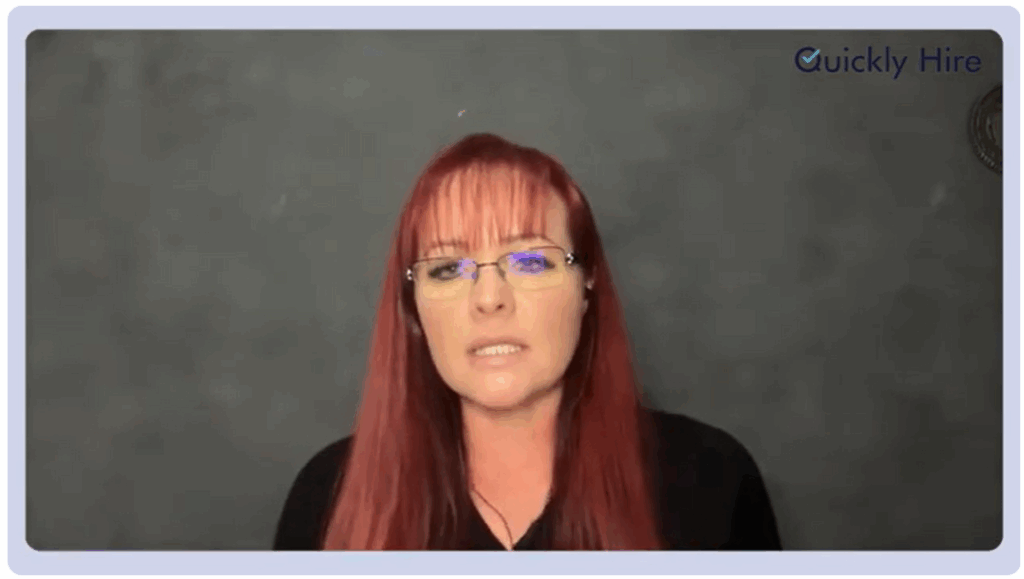
Based in Johannesburg, South Africa, Kerry has perfected the art of international remote collaboration. Her secret? Being a self-described “night owl” who turns time zone differences into an advantage.
“I’m awake anyway, so I might as well be earning money while I’m awake and the family’s all sleeping,” she explains. This flexibility allows her to seamlessly integrate with teams across the globe while maintaining time for her two daughters and personal pursuits like boxing classes.
The surprising truth about remote onboarding
Contrary to popular belief about the challenges of remote work, Kerry offers a refreshing perspective: “I actually find it easier doing onboarding in a remote environment than in a brick and mortar environment.”
Her reasoning is practical. When everything is digital—from screen sharing to collaborative documents—the learning curve becomes more manageable. Tools like Slack for communication, Asana for project management, and Box for document sharing create a transparent, accessible work environment where questions can be answered in real-time and processes can be demonstrated visually.
The non-negotiable rule: overcommunicate
For aspiring VAs and founders building remote teams, Kerry’s top advice centers on one principle: overcommunication.
“Especially working in a remote environment, you have to communicate because it can be so easy to just go quiet, work on your own, and nobody’s actually working on the same thing,” she emphasizes.
This means:
- Providing regular updates without being asked
- Being transparent about availability
- Asking questions proactively
- Showing reliability through consistent presence
Even simple acts like notifying the team when stepping away briefly to pick up children demonstrates the transparency that builds trust in remote relationships.
Finding your niche while staying flexible

Kerry strongly advocates for specialization as an entry strategy. “You definitely have to have a niche. You can’t just go in and say, I offer all of this and expect to be given all of that.”
However, she also demonstrates the importance of growth mindset. Despite never having experience in project coordination, she embraced learning the skill when her client needed it. Now it’s become one of her favorite aspects of the role.
“They just taught me, built me on it, and I love the coordination,” she shares. “Seeing them create something from nothing—it’s amazing.”
Tools that enable success
Kerry’s tech stack reflects the modern VA’s need for versatility:
- Slack: For quick, efficient team communication
- Asana: For project management and task tracking
- Box: For seamless document collaboration
- Canva: For design work
- Google Workspace: For general productivity
Her advice? Master the basics of common tools, as most companies use similar platforms. The specific tool matters less than your ability to adapt and learn quickly.
The business impact of a skilled VA

From a founder’s perspective, Kerry’s evolution demonstrates the compound value of investing in quality virtual assistance. Starting with basic administrative tasks, she’s grown into a strategic partner who:
- Participates in client meetings
- Coordinates complex design projects
- Manages multi-stakeholder communications
- Provides institutional knowledge and continuity
This progression from tactical support to strategic partnership illustrates why smart founders view VAs not as cost centers but as growth investments.
Key takeaways for success
For founders:
- Start with specific needs but remain open to your VA’s expanding capabilities
- Invest in clear onboarding and communication systems
- Trust develops through transparency—encourage overcommunication
- Look for VAs with niche expertise but growth mindset
- Consider international talent for time zone advantages
For aspiring VAs:
- Develop a clear niche to differentiate yourself
- Prioritize communication skills as much as technical abilities
- Be willing to learn new skills on the job
- Use your previous career experience as a strength
- Choose platforms like Quickly Hire that provide support and quality clients
Kerry’s journey from hairstylist to marketing coordinator proves that successful career transitions aren’t about starting over—they’re about leveraging your existing skills in new ways. Her story reminds us that with the right mindset, support system, and commitment to communication, the virtual assistant path can lead to both professional growth and personal flexibility.
Ready to explore how a skilled VA could transform your business operations? Sometimes the best solution comes from unexpected places—like a hairstylist who became an indispensable strategic partner.