
B2B SaaS companies face a critical challenge when it comes to content marketing that actually generates qualified leads. Many organizations struggle with high website traffic that fails to convert into meaningful pipeline opportunities, leaving marketing teams frustrated with their content strategy‘s performance. Fractional content strategy offers B2B SaaS companies access to senior-level marketing expertise without the full-time cost commitment, enabling you to develop targeted content that converts prospects at every stage of the buyer’s journey.
This approach combines strategic planning with tactical execution to create content systems that nurture leads from initial awareness through final purchase decisions. You’ll discover how to map content to specific buyer journey stages and identify the most effective content formats for SaaS lead generation. Implement distribution channels that maximize your return on investment.
Key takeaways
- Fractional content strategy provides expert-level marketing leadership at a fraction of full-time CMO costs
- Effective SaaS content must align with specific buyer journey stages and target audience needs
- Success requires systematic measurement and optimization of content performance across all distribution channels
What Is fractional content strategy for B2B SaaS lead generation?

Fractional content represents a specialized approach where B2B SaaS companies engage part-time content strategists to develop targeted marketing campaigns. This model addresses the complex buyer journey and technical messaging requirements that SaaS companies face when generating qualified leads.
Differences between traditional and fractional approaches
Traditional content marketing requires full-time hires with extensive onboarding periods and fixed salary commitments. You typically invest 3-6 months training new team members on your product’s technical specifications and market positioning.
Fractional content strategists bring immediate expertise without long-term commitments. You gain access to professionals who understand B2B SaaS metrics like monthly recurring revenue, customer acquisition cost, and product-led growth strategies.
Cost Structure Comparison:
| Approach | Monthly investment | Expertise level | Time to results |
|---|---|---|---|
| Traditional | $8,000-$15,000 | Variable | 3-6 months |
| Fractional | $3,000-$8,000 | High | 2-4 weeks |
The fractional model allows you to scale content efforts based on product launches, funding rounds, or market expansion needs. You can engage specialists for specific campaigns without maintaining overhead during slower periods.
Unique challenges of B2B SaaS content
B2B SaaS companies face distinct content challenges that differ from traditional businesses. Your buyers evaluate software through extended decision-making processes involving multiple stakeholders and technical evaluations. B2B SaaS content strategy must address technical complexity while maintaining accessibility for non-technical decision makers.
You need content that explains API integrations, security compliance, and scalability features without overwhelming prospects. Your sales cycles often span 6-18 months with prospects requiring different content types at each stage. Demo videos serve top-of-funnel awareness while ROI calculators and implementation guides support bottom-funnel decisions. Product updates and feature releases create ongoing content demands. You must consistently produce release notes, tutorial content, and customer success stories that demonstrate evolving capabilities.
Benefits for SaaS companies
Fractional marketing approaches provide SaaS companies with specialized expertise for product launches and lead generation campaigns. You access experienced strategists who understand software buying behaviors and technical content requirements. Budget flexibility represents a key advantage for growing SaaS companies. You can allocate content marketing spend based on revenue milestones and growth targets without fixed personnel costs.
Primary benefits include:
- Specialized Knowledge: Fractional strategists understand SaaS metrics and buyer personas
- Rapid Implementation: Immediate access to proven frameworks and templates
- Scalable Investment: Adjust content marketing spend based on business needs
- Reduced Risk: Test content strategies without long-term hiring commitments
You gain access to diverse industry experience through fractional partnerships. These strategists work across multiple SaaS verticals and bring cross-pollinated insights about successful lead generation tactics. The model supports focused campaign execution during critical business periods. You can intensify content marketing efforts during product launches or fundraising activities without permanent staff expansion.
Understanding the target audience and buyer’s journey

B2B SaaS companies must identify specific buyer personas and map their content to each stage of the purchasing process. Customer-centric content strategies require understanding decision-makers’ roles and creating targeted materials for awareness, consideration, and decision phases.
Mapping buyer personas to content needs
Your buyer personas should reflect real data about your target audience’s pain points, responsibilities, and information consumption habits. Technical decision-makers like CTOs focus on security, scalability, and integration capabilities.
Create detailed profiles that include:
- Job titles and seniority levels
- Primary challenges and objectives
- Preferred content formats
- Research behaviors and information sources
Map content types to specific persona needs. CTOs typically prefer technical documentation, architecture diagrams, and security whitepapers. Business stakeholders respond better to ROI calculators, case studies, and implementation timelines. Collect audience insights through customer interviews, sales team feedback, and analytics data. This information reveals which topics resonate most with each persona type. Your content calendar should address multiple personas simultaneously. A single piece can serve different audiences when structured properly with executive summaries for business leaders and technical appendices for IT professionals.
Addressing decision-makers and stakeholder roles
B2B SaaS purchases involve multiple stakeholders with distinct priorities and influence levels. You must create content that speaks to each role’s specific concerns and decision criteria.
Primary stakeholder roles include:
- Technical evaluators (CTOs, IT directors)
- Budget approvers (CFOs, department heads)
- End users (team members, managers)
- Champions (internal advocates)
Technical evaluators need proof of concept materials, API documentation, and integration guides. Budget approvers require cost-benefit analyses, implementation timelines, and risk assessments. Create role-specific content paths that address unique objections.
CTOs worry about system compatibility and maintenance overhead. CFOs focus on total cost of ownership and productivity gains. Develop stakeholder-specific landing pages and email sequences. This approach ensures each decision-maker receives relevant information at the right time in their evaluation process.
Aligning content with awareness, consideration, and decision stages
Aligning marketing content with each buyer’s journey stage enhances lead generation and conversion rates. Each stage requires different content types and messaging approaches.
Awareness stage targets prospects recognizing problems but not yet researching solutions. Create educational blogs, industry reports, and problem-focused content that builds credibility.
Consideration stage serves prospects comparing solutions and vendors. Provide comparison guides, feature demonstrations, and detailed case studies showing real results.
Decision stage content should remove final purchase barriers. Offer free trials, implementation consultations, and detailed pricing information with clear next steps.
Content that provides validation at every stage performs best regardless of buyer sophistication level. Match content depth to stage requirements while maintaining consistent messaging. Track content performance by stage to identify gaps in your buyer’s journey coverage. Use analytics to optimize content types and topics for each phase.
Building an effective fractional content strategy
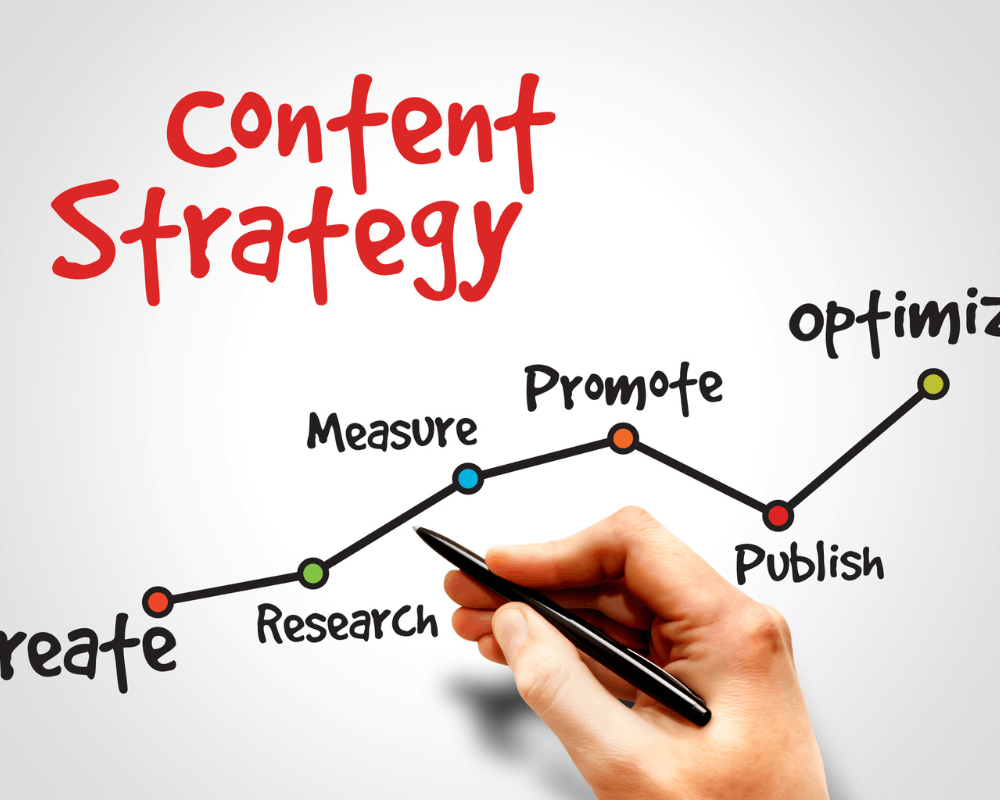
A successful fractional content strategy requires strategic planning that aligns content creation with measurable business outcomes. The foundation involves setting precise objectives, understanding current content performance, and developing structured content production workflows.
Establishing clear business objectives and KPIs
Your fractional content strategy must connect directly to revenue-generating activities. Define specific lead generation targets, such as generating 50 marketing qualified leads per month or increasing trial signups by 30%. Establish measurable KPIs that track content performance. Focus on metrics like organic traffic growth, conversion rates from content to demo requests, and email list growth from content downloads. Set time-bound objectives for your content initiatives.
Examples include publishing two case studies monthly, achieving 10,000 monthly organic sessions within six months, or generating 100 content-driven SQLs quarterly. Fractional CMOs help B2B SaaS companies develop actionable roadmaps for achieving these business objectives through strategic content planning. Link content goals to customer acquisition costs and lifetime value metrics. This connection ensures your fractional content investment delivers measurable ROI for your SaaS business.
Conducting content audits and identifying gaps
Start your content audit by analyzing website analytics data from the past 12 months. Identify your top-performing content pieces based on organic traffic, engagement metrics, and conversion rates. Use tools like SEMrush to evaluate your content’s search performance and keyword rankings. Document which content drives qualified traffic and which pieces underperform despite high search volume potential.
Map existing content against your buyer’s journey stages. Identify content gaps in awareness, consideration, and decision phases. Most B2B SaaS companies lack sufficient bottom-funnel content like comparison guides and ROI calculators.
Analyze competitor content strategies to uncover missed opportunities. Look for keyword gaps where competitors rank but you don’t have relevant content addressing those search queries. Gather feedback from your sales team about frequently asked questions and objections. These insights reveal content gaps that directly impact lead conversion and sales cycle acceleration.
Creating a high-impact content calendar
Build your content calendar around high-intent keywords that your target customers actively search. Prioritize topics with commercial intent over generic industry discussions. Plan content clusters around core topics relevant to your SaaS solution. Each cluster should include a pillar page supported by 8-10 related blog posts, case studies, or resource downloads. Schedule content production to align with your sales cycle and seasonal trends.
Plan product announcement content, customer success stories, and educational resources based on when prospects are most likely to evaluate solutions. Assign specific content formats to maximize lead generation potential. Include gated resources like templates, guides, and webinars that capture prospect contact information for nurturing campaigns. Build flexibility into your calendar for responsive content creation. Reserve 20-30% of your content capacity for addressing trending topics, customer feedback, or competitive responses that require immediate attention.
Content types and formats for SaaS lead generation

B2B SaaS companies need specific content formats that align with different stages of the buyer journey, from awareness-building blog posts to conversion-focused case studies. The most effective approach combines educational content like whitepapers and webinars with social proof elements such as testimonials and interactive experiences.
Choosing the right content formats for each funnel stage
Your content strategy must align with where prospects are in their buying journey. Different content characteristics change as you move through the funnel, requiring strategic format selection.
Top-of-funnel content focuses on awareness and education.
Blog posts work well here because they address broad industry challenges your target audience faces. Infographics simplify complex concepts and perform well on social media platforms. Videos explaining industry trends or common pain points attract new visitors. Educational webinars position your company as a thought leader while capturing contact information.
Middle-of-funnel content nurtures leads who recognize their problems. Whitepapers provide in-depth analysis of industry challenges and solutions. These formats work because prospects need detailed information to evaluate their options. Case studies become valuable at this stage. They show how similar companies solved comparable problems using your solution. Demos and free trials allow prospects to experience your product directly.
Bottom-of-funnel content drives conversions. Bottom-of-funnel content formats directly support conversion rates and lead generation rather than attracting new visitors. Product comparison guides help prospects make final decisions. Customer testimonials provide social proof when buyers need final reassurance before purchasing.
Generating white papers, case studies, and testimonials
These three content formats serve as your lead generation workhorses. Each format addresses different prospect concerns and decision-making factors.
White papers establish thought leadership while capturing qualified leads. Focus your whitepapers on industry trends, regulatory changes, or emerging challenges your prospects face. Include original research or data analysis to increase perceived value. Gate your whitepapers behind lead capture forms. Promote them through email campaigns, social media, and paid advertising to maximize reach.
Case studies demonstrate real-world results from your solution. Structure them using the problem-solution-results format. Include specific metrics and outcomes whenever possible. Feature case studies prominently on your website. Use them in sales presentations and email nurture sequences. Create multiple case studies representing different industries or use cases.
Testimonials provide social proof throughout the buyer journey. Video testimonials perform better than written ones because they feel more authentic. Include testimonials from recognizable companies or industry leaders when available. Display testimonials on product pages, pricing pages, and landing pages. Incorporate them into email signatures and sales collateral.
Incorporating interactive and user-generated content
Interactive content and user-generated content increase engagement while providing valuable lead qualification data.
Interactive content includes quizzes, assessments, calculators, and interactive demos. These formats engage prospects while collecting information about their needs and preferences. ROI calculators work well for SaaS companies because they demonstrate potential value. Assessment tools help prospects evaluate their current situation against best practices. Interactive demos allow prospects to explore your product without requiring full trials. They reduce friction while providing hands-on experience with your solution.
User-generated content builds trust through authentic customer voices. Encourage customers to create content about their experiences with your product. Customer success stories shared on social media provide authentic testimonials. User-created tutorial videos show real-world product applications. Feature customer content in your marketing campaigns. Share user posts on your social media channels and include them in email newsletters.
Distribution, promotion, and lead nurturing channels

Effective content distribution channels drive qualified leads through strategic placement across social platforms, search engines, and automated email sequences. Your fractional strategy maximizes reach while maintaining consistent messaging across LinkedIn networking, SEO-optimized content, and personalized email campaigns.
Leveraging social platforms: linkedIn, twitter, and youTube
LinkedIn generates the highest B2B conversion rates through targeted content distribution and relationship building. Share case studies, whitepapers, and product demos directly in LinkedIn feeds while engaging with prospects in relevant industry groups.
LinkedIn Strategy:
- Post native content 3-5 times weekly
- Share behind-the-scenes product development updates
Comment meaningfully on prospects’ posts. Use LinkedIn Sales Navigator for targeted outreach. Twitter amplifies your content reach through strategic hashtag use and real-time engagement. Share quick insights, respond to industry conversations, and distribute links to your longer-form content hosted on your website. YouTube builds trust through visual demonstrations and thought leadership content. Create product walkthroughs, customer success stories, and educational tutorials that address common SaaS implementation challenges.
Video content types:
- 5-minute feature demonstrations
- Customer interview case studies
- Problem-solving tutorials
- Industry trend analysis
SEO, backlinks, and keyword research for discovery
Keyword research identifies the exact terms your prospects use when searching for solutions. Focus on long-tail keywords with commercial intent rather than broad industry terms that attract unqualified traffic.
Target keyword types:
- “Best [software type] for [specific use case]”
- “[Problem] solution for [industry]”
- “[Competitor] alternative”
- “How to [specific task] in [timeframe]”
B2B content distribution strategies require high-quality backlinks from industry publications and partner websites. Guest posting on relevant SaaS blogs and participating in industry roundups builds domain authority while driving referral traffic. Create linkable assets like original research reports, comprehensive guides, and interactive tools. These resources naturally attract backlinks while positioning your brand as a thought leader in your specific SaaS category.
Using email marketing, hubSpot, and marketing automation
HubSpot centralizes your lead nurturing workflows by tracking prospect behavior across your website and content touchpoints. Set up automated sequences that deliver relevant content based on specific actions prospects take.
Email Sequence Structure:
- Welcome email with key resources
- Educational content series (3-5 emails)
- Social proof and case studies
- Product demonstration invitation
- Free trial or consultation offer
Marketing automation triggers personalized content delivery when prospects download resources, visit pricing pages, or engage with your emails. This targeted approach maintains engagement without overwhelming your fractional content creation capacity.
Automation triggers:
- Website page visits
- Email link clicks
- Content downloads
- Video watch duration
Your email campaigns should segment prospects based on company size, industry, and engagement level. This segmentation ensures each prospect receives content that matches their specific evaluation stage and business requirements.
Measuring success and optimizing ROI

Effective measurement requires tracking specific metrics that connect content performance to revenue outcomes. Continuous optimization through data analysis and customer feedback ensures your fractional content strategy delivers measurable business growth.
Tracking and interpreting key content performance metrics
Revenue attribution metrics form the foundation of ROI measurement for your content strategy. Track leads generated from each content piece, demo requests triggered by specific assets, and customer sign-ups that stem from your content funnel. Content marketing in tech and SaaS typically generates $5 or more per dollar spent when properly measured.
Calculate your content ROI by dividing revenue attributed to content by total content investment costs. Website analytics reveal content engagement patterns and conversion paths. Monitor time on page, bounce rates, and scroll depth for individual assets. Track which content pieces drive the most qualified traffic to pricing pages or product demos.
Key metrics to monitor:
- Lead quality scores from content-generated prospects
- Cost per lead by content type and distribution channel
- Customer lifetime value of content-acquired users
- Content engagement rates across different buyer journey stages
Tracking buyer journeys from content consumption to purchase enables accurate ROI attribution. Use UTM parameters and marketing automation to connect content touchpoints with closed deals.
Continuous improvement through analytics and feedback
Customer interviews provide qualitative insights that complement your quantitative data. Conduct monthly interviews with recent customers to understand which content influenced their buying decisions and identify gaps in your current strategy. Survey customers about content preferences, pain points, and information needs at different buying stages.
This feedback helps refine your content calendar and topic prioritization for maximum impact. Website analytics data reveals content performance trends and optimization opportunities. Analyze which formats drive the highest conversion rates and double down on successful content types.
Optimization actions based on data:
- Refresh underperforming content with new data or perspectives
- Expand successful content into series or related topics
- Adjust content distribution based on channel performance
- Modify calls-to-action based on conversion data
A/B testing different content headlines, formats, and distribution timing helps maximize engagement. Test email subject lines, social media post formats, and landing page content to improve conversion rates.
Adapting content marketing strategy for business growth
Scale your content production based on proven ROI metrics and business objectives. When specific content types consistently generate qualified leads, increase investment in those formats while reducing spend on underperforming initiatives. Brand awareness measurement requires tracking metrics like organic search visibility, social media mentions, and direct website traffic growth.
Monitor how content marketing contributes to overall market presence and thought leadership positioning. Customer acquisition costs should decrease as your content strategy matures and generates more organic leads. Connecting every content initiative to a revenue goal ensures strategic focus and measurable outcomes.
Growth-focused adaptations:
- Vertical expansion: Create industry-specific content for new market segments
- Format diversification: Add video, podcasts, or interactive content based on audience preferences
- Distribution scaling: Expand to new channels that show early traction signals
- Automation integration: Implement content workflows that support higher lead volumes
Budget allocation should shift toward highest-performing content types and distribution channels. Regular quarterly reviews help identify emerging opportunities and declining performance areas that need strategic adjustments.
Quickly Hire fractional content strategists for B2B SaaS
B2B SaaS companies struggle to turn content into qualified leads. Quickly Hire fractional content experts to access senior-level marketing guidance. They help create content that converts prospects at every stage of the buyer journey. Fractional talent combines strategy and execution for measurable results. Map content to buyer stages and optimize formats for lead generation.
Quickly Hire fractional strategists to boost pipeline and ROI without full-time costs.