
Building a strong team culture when your startup team members are spread across different locations can feel challenging. The random coffee chats and spontaneous hallway conversations that once helped build connections just don’t happen naturally anymore. Yet, with thoughtful strategies, you can create a vibrant company culture that unites your distributed team despite physical distance.
To build an effective culture in a distributed startup team, you must intentionally design experiences that foster connection, shared values, and a sense of belonging among remote workers. This means getting to know your employees on a personal level and creating structured opportunities for interaction when casual encounters aren’t possible.
Your remote team culture won’t develop by accident. It requires developing clear company values, creating consistent communication rhythms, and investing in mentorship programs that bring people together across time zones. When you make culture-building a priority rather than an afterthought, your distributed startup can develop bonds as strong as any in-person team.
Establishing effective communication channels

Communication is the backbone of any distributed team’s success. Clear channels and protocols help bridge geographical gaps and keep everyone aligned on goals and expectations.
Synchronous vs. asynchronous communication
Synchronous communication happens in real-time, like video calls or instant messaging, while asynchronous allows team members to respond when convenient. For distributed teams, finding the right balance is crucial.
When to use synchronous communication:
- Complex problem-solving sessions
- Team bonding activities
- Sensitive feedback conversations
- Project kickoffs and major milestones
Asynchronous communication works better for day-to-day updates and non-urgent matters. It respects different time zones and allows team members to focus on deep work without interruptions. To implement this balance, create clear guidelines about which channels to use for different types of communication. For example, you might use Slack for quick questions and email for detailed information that doesn’t need immediate attention.
Leveraging tools for collaboration
The right tools can make or break your distributed team’s communication. Select platforms that integrate well with each other to create a seamless workflow.
Essential communication tools:
- Video conferencing: Zoom, Google Meet, Microsoft Teams
- Chat platforms: Slack, Discord
- Project management: Asana, Trello, Monday.com
- Document collaboration: Google Workspace, Notion
When selecting tools, consider your team’s specific needs rather than simply following trends. For small teams, a combination of a reliable video platform and a good project management tool might be sufficient. You should also create documentation for how each tool should be used. This prevents confusion and ensures everyone follows the same protocols.
Regular check-Ins and updates
Consistent check-ins create structure and prevent team members from feeling isolated. They also provide opportunities to address issues before they become problems.
Types of check-ins to implement:
- Daily stand-ups (15 minutes)
- Weekly team meetings (30-60 minutes)
- Monthly all-hands meetings (1-2 hours)
- Quarterly strategic reviews
Make these meetings purposeful by having clear agendas and action items. Create a clear communication framework that defines meeting frequency and channels. Consider implementing a “no meeting day” each week to allow for focused work. This helps prevent video call fatigue while still maintaining regular communication rhythms. Remember that check-ins aren’t just for work updates—they’re opportunities to create social spaces for your team to connect on a personal level.
Fostering trust and respect in a remote setup
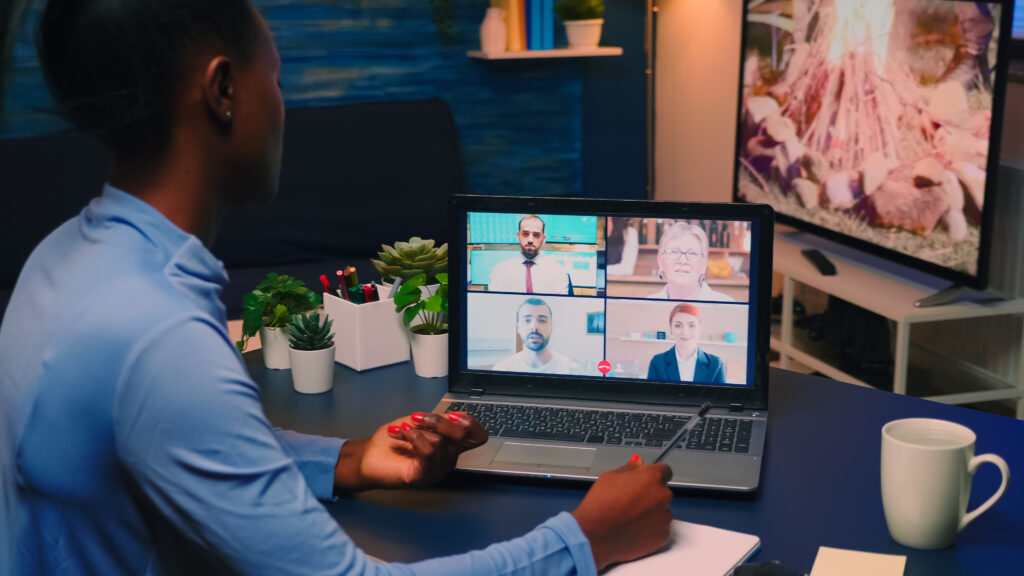
Building trust in remote teams requires intentional effort and consistent communication practices. When team members can’t see each other daily, creating psychological safety and mutual respect becomes even more crucial for collaboration.
Building rapport among team members
Remote work can feel isolating without deliberate connection efforts. Schedule regular virtual coffee chats or team-building activities that don’t focus on work tasks.
Consider these rapport-building practices:
- Virtual “water cooler” channels in Slack or Teams for casual conversation
- Weekly social video calls with no work agenda
- Collaborative online games during designated fun times
- Recognition programs that highlight individual contributions
Encourage team members to share personal wins and challenges. This vulnerability helps create bonds that strengthen working relationships. Remember that rapport builds gradually. Allow new team members extra connection opportunities when they join. Success in a virtual environment relies heavily on these relationship foundations.
Transparent leadership and management
Trust flourishes when information flows freely. You should communicate openly about company goals, challenges, and decisions that affect the team.
Make transparency a cornerstone by:
- Sharing the “why” behind decisions
- Providing context for priorities and strategy shifts
- Documenting processes and expectations clearly
- Admitting when you don’t have answers
Regular team meetings should include updates on company performance and upcoming changes. Use collaborative documents that everyone can access and contribute to. When mistakes happen, address them directly without placing blame. This creates psychological safety where team members feel comfortable being honest. Prioritizing team relationships means being transparent even when the news isn’t positive.
Decentralized leadership approach
Remote environments thrive with distributed decision-making power. Empower team members to solve problems independently rather than creating bottlenecks.
Implement these decentralized leadership practices:
- Delegate meaningful authority, not just tasks
- Focus on outcomes rather than monitoring work hours
- Create clear boundaries for autonomous decision-making
- Trust team members to manage their own schedules
Document what decisions can be made at what levels. Some companies use decision matrices to clarify who needs to be consulted versus informed. You should communicate business goals clearly and then give people space to achieve them in their own way. This approach respects individual working styles while maintaining alignment with company objectives.
Cultivating a people-centric startup culture

A thriving remote startup culture puts people at the center of every decision and process. This approach builds trust, improves satisfaction, and creates lasting connections even when team members are thousands of miles apart.
Empowerment and autonomy
Remote teams work best when you trust employees to manage their own work. Give your team members clear goals rather than micromanaging their daily activities. Building a great, people-centric culture is one of the best ways to find success ethically in distributed environments.
Create structured freedom by:
- Setting clear expectations and outcomes
- Allowing flexible approaches to problem-solving
- Providing necessary tools and resources
- Celebrating initiative and creative solutions
When you foster autonomy, team members develop confidence in their abilities and become more invested in the company’s success. This leads to higher retention rates and better work quality. Encourage open communication channels where everyone feels comfortable sharing ideas and concerns. This transparency helps remote teams feel connected despite physical distance.
Work-life balance for global teams
Remote work blurs the line between professional and personal life. Your global team needs clear boundaries to prevent burnout and maintain productivity.
Consider these strategies:
- Implement core collaboration hours with flexibility around them
- Respect time zone differences when scheduling meetings
- Create “no-meeting” days for focused work
- Encourage regular breaks and vacation time
- Model healthy work habits as leadership
Cultivating a culture where work-life balance is prioritized can increase both customer and employee satisfaction. When you respect personal time, team members return to work refreshed and engaged. Use digital wellness tools to help your team track hours and prevent overwork. Regularly check in about workload and adjust as needed.
Incorporating leadership marketing
Leadership marketing means showcasing your company’s values and culture both internally and externally. This approach attracts like-minded talent and clients who share your vision.
Your leadership team should:
- Communicate values consistently across all channels
- Share authentic stories about company culture and successes
- Highlight team member contributions regularly
- Demonstrate how your culture benefits clients
Remote team culture building requires genuine connections. When potential employees see your people-centric approach in action, they’re more likely to want to join your team. Create opportunities for team members to become brand ambassadors by sharing their positive experiences. This authentic marketing is powerful for recruitment and client acquisition.
Strategic hiring for remote teams

Remote teams thrive when hiring aligns with both practical skills and cultural elements. Finding candidates who can work independently yet collaborate effectively across distances is essential for distributed startup success.
Aligning roles with company goals
When crafting roles for a remote team, you must first identify how each position directly supports your startup’s mission. Define clear responsibilities that connect to specific business outcomes. This clarity helps remote workers understand their purpose within the organization. Your CEO should lead this alignment process by outlining strategic priorities. For instance, if your goal is accelerating product development, you might prioritize hiring senior developers who can work autonomously.
Key considerations for role alignment:
- Match hiring needs to your current growth stage
- Identify skill gaps that prevent reaching business goals
- Create detailed job descriptions with explicit deliverables
- Set clear expectations about communication and availability
Executives should regularly revisit role definitions as company needs evolve. This prevents the common mistake of hiring for yesterday’s problems rather than tomorrow’s opportunities.
Evaluating skills and cultural fit
Remote work requires specific capabilities beyond technical qualifications. You need candidates who demonstrate strong remote work skills, including self-discipline, written communication, and technological adaptability. During interviews, assess how candidates have previously handled remote collaboration challenges. Look for examples of independent problem-solving alongside teamwork experience.
Effective remote hiring assessment methods:
- Assign practical test projects that simulate actual work
- Conduct video interviews to evaluate communication style
- Check references specifically about remote work habits
- Use culture-focused questions to evaluate alignment with company values
For developers and technical roles, collaborative coding sessions can reveal both technical abilities and communication style. Pay attention to how candidates explain their thinking process. Cultural alignment becomes even more critical in distributed teams where strong remote work culture boosts engagement and productivity. Look for candidates who share your values but bring diverse perspectives to strengthen your team.
Optimizing productivity and innovation

Remote work success depends on structured processes and a culture that nurtures new ideas. Finding the right balance between accountability and creative freedom helps teams excel regardless of location.
Project management and clear goals
Setting specific, measurable goals is crucial for distributed teams. You should implement a system where everyone knows what they’re working on and why it matters. Scrum works well for distributed engineering teams, offering structure that enhances collaboration across different locations. Use project management tools that provide visibility across time zones. Tools like Asana, Jira, or Monday.com help track progress and keep everyone aligned.
Break larger objectives into smaller, achievable tasks with clear deadlines. This creates momentum and prevents team members from feeling overwhelmed. Regular check-ins (daily or weekly) help address roadblocks quickly. Keep these meetings focused and respect everyone’s time—especially important when working across multiple time zones.
Creating a supportive environment for creativity
Innovation thrives when team members feel psychologically safe to share ideas. You should establish channels specifically for brainstorming and experimental concepts where criticism is constructive, not dismissive. Technological experimentation combined with deliberate meeting strategies helps build stronger, more human teams that innovate effectively.
Try virtual whiteboarding sessions or dedicated Slack channels for sharing inspirations. Recognize and celebrate creative contributions, even when they don’t immediately succeed. Failed experiments often contain valuable insights for future innovations.
Create cross-functional collaboration opportunities. When your customer support team connects directly with developers, product improvements become more user-focused and practical. Allow for focus time where team members can work without interruption on creative tasks. This balance between collaboration and deep work is essential for quality output.
Build remote culture with Quickly Hire and fractional team support
Distributed startup teams need intentional culture-building to stay connected and engaged. Quickly Hire helps you find fractional leaders who excel at nurturing remote team dynamics. These experts design virtual experiences that promote shared values and real connection. Structured interactions replace casual office moments and strengthen team cohesion. Create a culture that thrives—even when your team is miles apart.
Hire your fractional culture and people ops team today at Quickly Hire.